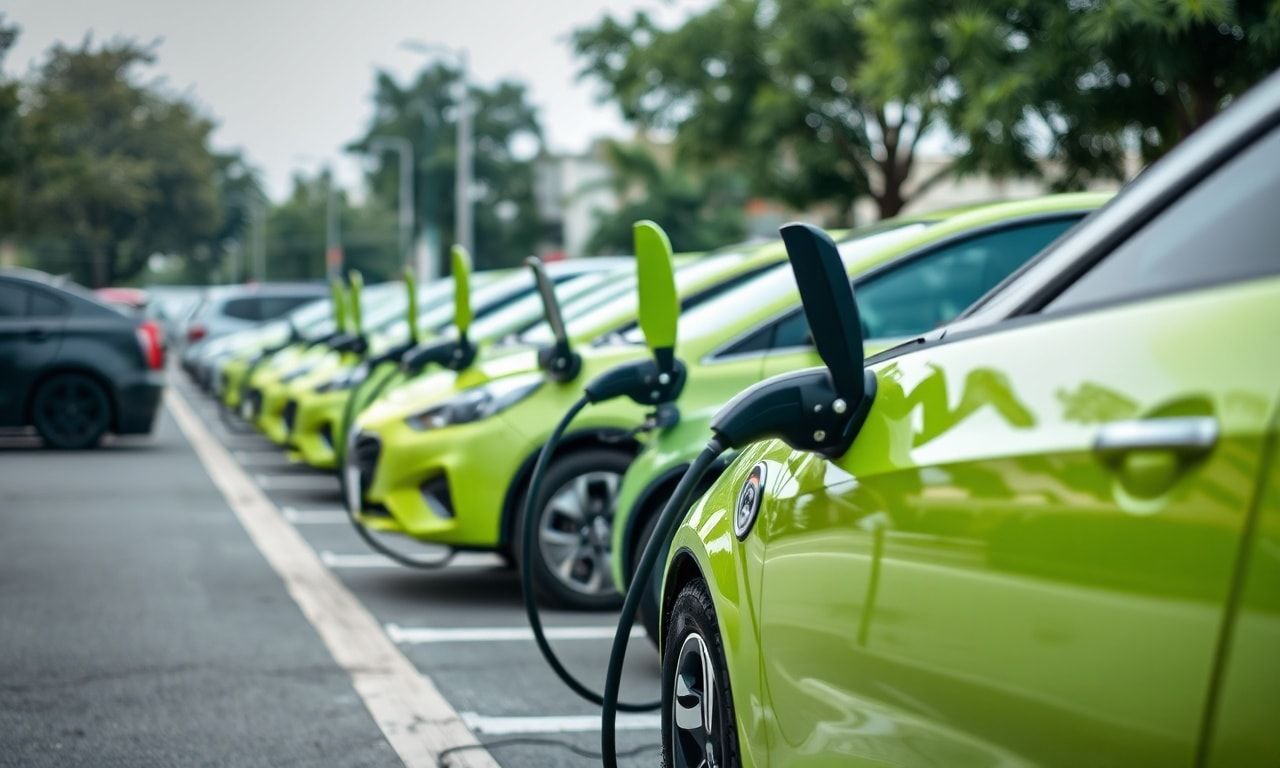
The Rise of Electric Vehicles in Pakistan
The automotive industry in Pakistan is undergoing a significant transformation with the rise of electric vehicles (EVs). This shift is not just a trend but a necessary evolution driven by environmental concerns, economic factors, and technological advancements. As the world moves towards sustainable energy solutions, Pakistan is also making strides in adopting electric vehicles, which promise a cleaner and more efficient future.
Government Initiatives and Policies
The Pakistani government has recognized the potential of electric vehicles and has introduced several initiatives to promote their adoption. The Electric Vehicle Policy, launched in 2020, aims to create a conducive environment for the manufacture and use of electric vehicles. This policy includes incentives such as tax exemptions, reduced import duties, and subsidies for EV manufacturers and consumers. These measures are expected to lower the cost of electric vehicles and make them more accessible to the general public.
Incentives for Consumers
One of the key incentives for consumers is the reduction in sales tax on electric vehicles. The government has also introduced a scheme where consumers can receive a subsidy on the purchase of electric vehicles. This subsidy is aimed at offsetting the higher initial cost of electric vehicles compared to traditional petrol and diesel vehicles. Additionally, the government is working on setting up a network of charging stations across the country to address the issue of range anxiety among potential EV buyers.
The Economic Impact of Electric Vehicles
The adoption of electric vehicles is expected to have a significant economic impact on Pakistan. The reduction in dependence on imported petroleum products will lead to a decrease in the current account deficit. Moreover, the local manufacturing of electric vehicles will create new job opportunities and stimulate economic growth. The government’s focus on electric vehicles is also expected to attract foreign investment in the automotive sector, further boosting the economy.
For those considering the economic benefits of electric vehicles, it is essential to understand the long-term savings. Electric vehicles have lower operating costs compared to traditional vehicles. The cost of electricity is significantly lower than the cost of petrol or diesel, and electric vehicles require less maintenance. Additionally, the elektrikli araba ekonomikliği (economic benefits of electric cars) include reduced emissions and a smaller carbon footprint, contributing to a healthier environment and lower healthcare costs.
Environmental Benefits
The environmental benefits of electric vehicles are perhaps the most compelling reason for their adoption. Electric vehicles produce zero tailpipe emissions, which means they do not contribute to air pollution. This is particularly important for Pakistan, where air pollution is a significant health hazard. The reduction in air pollution will lead to improved public health and a better quality of life for citizens.
Moreover, the use of electric vehicles will reduce Pakistan’s carbon footprint. The country is highly dependent on fossil fuels, which are a major source of greenhouse gas emissions. By transitioning to electric vehicles, Pakistan can reduce its greenhouse gas emissions and contribute to global efforts to combat climate change.
Challenges and the Road Ahead
Despite the numerous benefits, the adoption of electric vehicles in Pakistan faces several challenges. One of the main challenges is the lack of infrastructure for charging electric vehicles. While the government is working on setting up a network of charging stations, more needs to be done to ensure that these stations are easily accessible to all consumers.
Another challenge is the high initial cost of electric vehicles. Although the government has introduced subsidies and tax exemptions, the cost of electric vehicles remains higher than that of traditional vehicles. This is a significant barrier for many consumers, especially those in the lower-income bracket. To address this issue, the government needs to continue providing incentives and subsidies to make electric vehicles more affordable.
The lack of awareness about electric vehicles is another challenge. Many consumers are still unaware of the benefits of electric vehicles and the incentives available for their purchase. The government and automotive manufacturers need to launch awareness campaigns to educate the public about the advantages of electric vehicles and the incentives available.
Conclusion
Pakistan’s shift towards electric vehicles is a significant step towards a sustainable and economically robust future. The government’s initiatives and policies are creating a conducive environment for the adoption of electric vehicles. While there are challenges to overcome, the benefits of electric vehicles in terms of economic growth, environmental sustainability, and public health are too significant to ignore. With continued efforts and investment, Pakistan can successfully transition to a future powered by electric vehicles.
As electric vehicles continue to gain traction in the automotive industry, our latest feature explores essential maintenance and care for these innovative machines.
For the latest on automotive innovation, explore electric vehicle design trends shaping the industry today.
In the midst of global efforts towards sustainability, Birmingham’s shift to electric vehicles offers a compelling look at local progress in green transportation.