Introduction
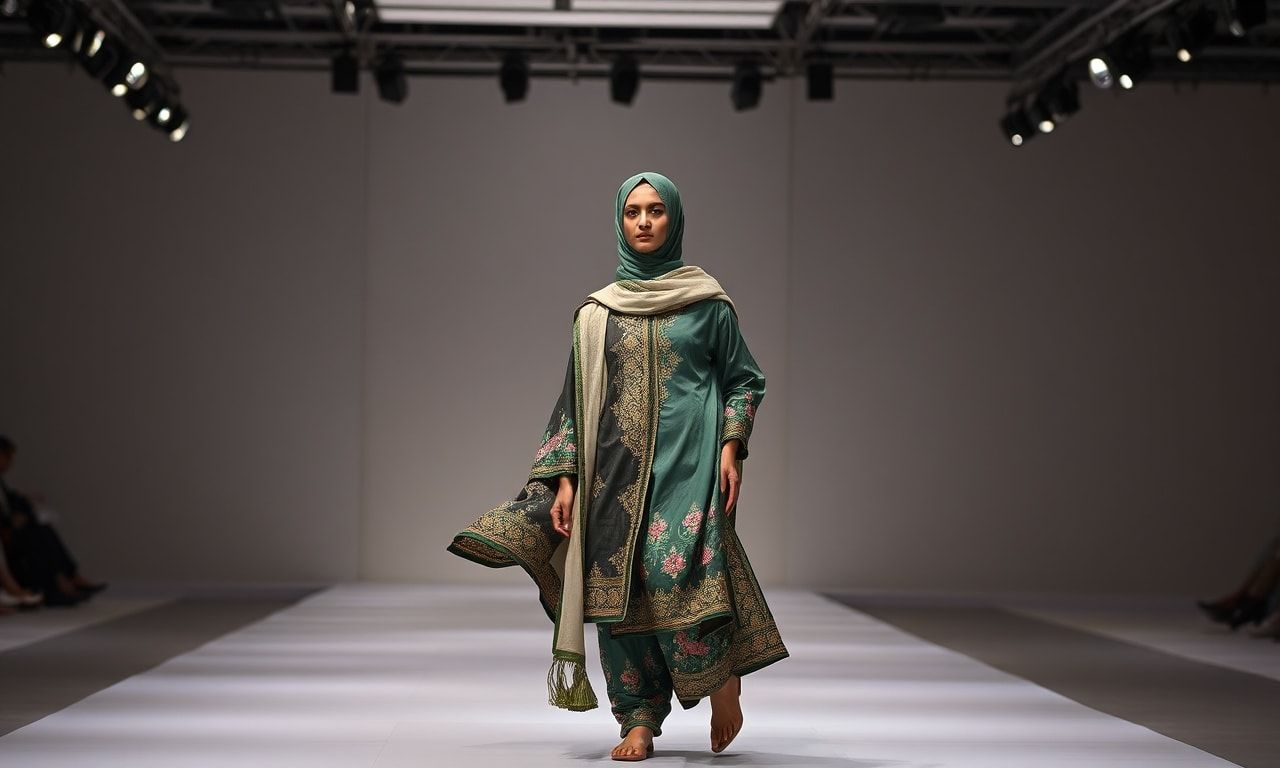
The fashion industry in Pakistan has been experiencing a significant transformation, blending traditional aesthetics with contemporary styles. This evolution is not only reshaping the local fashion landscape but also gaining international recognition. The industry’s growth is attributed to a combination of cultural richness, creative talent, and a burgeoning middle class with a keen interest in fashion.
In recent years, Pakistan’s fashion scene has become a vibrant mix of traditional attire and modern designs. Designers are increasingly incorporating traditional elements into their collections, creating a unique fusion that appeals to both local and international audiences. This article explores the current trends, challenges, and future prospects of Pakistan’s fashion industry.
The Rise of Pakistani Fashion
The fashion industry in Pakistan has seen remarkable growth over the past decade. The rise can be attributed to several factors, including the increasing number of fashion designers, the growth of fashion schools, and the influence of social media. Platforms like Instagram and Facebook have provided a global stage for Pakistani designers to showcase their work, reaching a wider audience and gaining international acclaim.
Moreover, the government’s initiatives to promote the textile industry have also played a crucial role. The establishment of the Pakistan Fashion Design Council (PFDC) and the Lahore Fashion Week has provided a platform for designers to exhibit their collections and network with industry professionals. These events have not only boosted the local fashion scene but also attracted international investors and buyers.
Key Players in the Industry
The Pakistani fashion industry is home to several influential designers who have made a significant impact on the global stage. Designers like Maria B., Sana Safinaz, and Deepak Perwani are renowned for their unique designs and innovative use of traditional fabrics and techniques. Their work has been featured in international fashion magazines and showcased at prestigious fashion weeks around the world.
In addition to established designers, a new generation of talent is emerging, bringing fresh perspectives and innovative designs to the industry. These young designers are leveraging digital platforms to reach a global audience and are increasingly collaborating with international brands to create unique collections. This collaboration is helping to bridge the gap between traditional and modern fashion, creating a unique blend that is distinctly Pakistani.
Challenges Faced by the Industry
Despite the growth and success, the Pakistani fashion industry faces several challenges. One of the major issues is the lack of infrastructure and resources. Many designers struggle with limited access to high-quality fabrics, skilled labor, and modern machinery. This lack of resources often results in higher production costs and longer lead times, making it difficult for designers to compete in the global market.
Another significant challenge is the lack of intellectual property protection. Many designers face issues with copyright infringement and counterfeiting, which can be detrimental to their businesses. The government has taken steps to address this issue, but more needs to be done to protect the rights of designers and ensure a fair and competitive market.
Fashion and Cultural Identity
The fashion industry in Pakistan is deeply rooted in the country’s rich cultural heritage. Traditional attire like the shalwar kameez, lehenga, and saree continues to be popular, both locally and internationally. Designers are increasingly incorporating traditional elements into their designs, creating a unique blend of tradition and modernity. This fusion not only preserves the country’s cultural heritage but also makes Pakistani fashion distinct and appealing to a global audience.
Moreover, the fashion industry is also playing a crucial role in promoting cultural exchange. Pakistani designers are collaborating with international brands to create collections that blend different cultural elements. This collaboration is helping to promote cultural understanding and appreciation, fostering a more inclusive and diverse fashion industry.
Future Prospects
The future of the Pakistani fashion industry looks promising. With the increasing global recognition and the growing number of talented designers, the industry is poised for significant growth. The government’s initiatives to promote the textile industry and the establishment of fashion schools are also contributing to the industry’s development.
Furthermore, the rise of e-commerce and social media is providing new opportunities for designers to reach a global audience. Platforms like Instagram and Facebook are not only helping designers showcase their work but also providing a platform for direct interaction with customers. This direct interaction is helping designers understand their customers’ preferences and create collections that cater to their needs.
In conclusion, the fashion industry in Pakistan is a vibrant and dynamic sector that is constantly evolving. The blend of traditional and modern elements, the increasing global recognition, and the government’s support are all contributing to the industry’s growth. However, challenges like lack of infrastructure and intellectual property protection need to be addressed to ensure a sustainable and competitive industry. With the right support and resources, the Pakistani fashion industry has the potential to become a global leader in the fashion world.
For those interested in fashion styling tips for different fashion tactics, exploring resources like fashion styling tips for different fashion tactics can provide valuable insights and inspiration.
As London continues to grow and change, explore the city’s urban transformation in our latest feature, offering an in-depth look at the developments shaping its landscape.
For more insights on this topic, you might find The Future of Automotive Maintenance: Trends particularly informative.
If you enjoyed this article, we recommend checking out Neue Studie: Outdoor-Aktivitäten in Deutschland boomen for further reading.