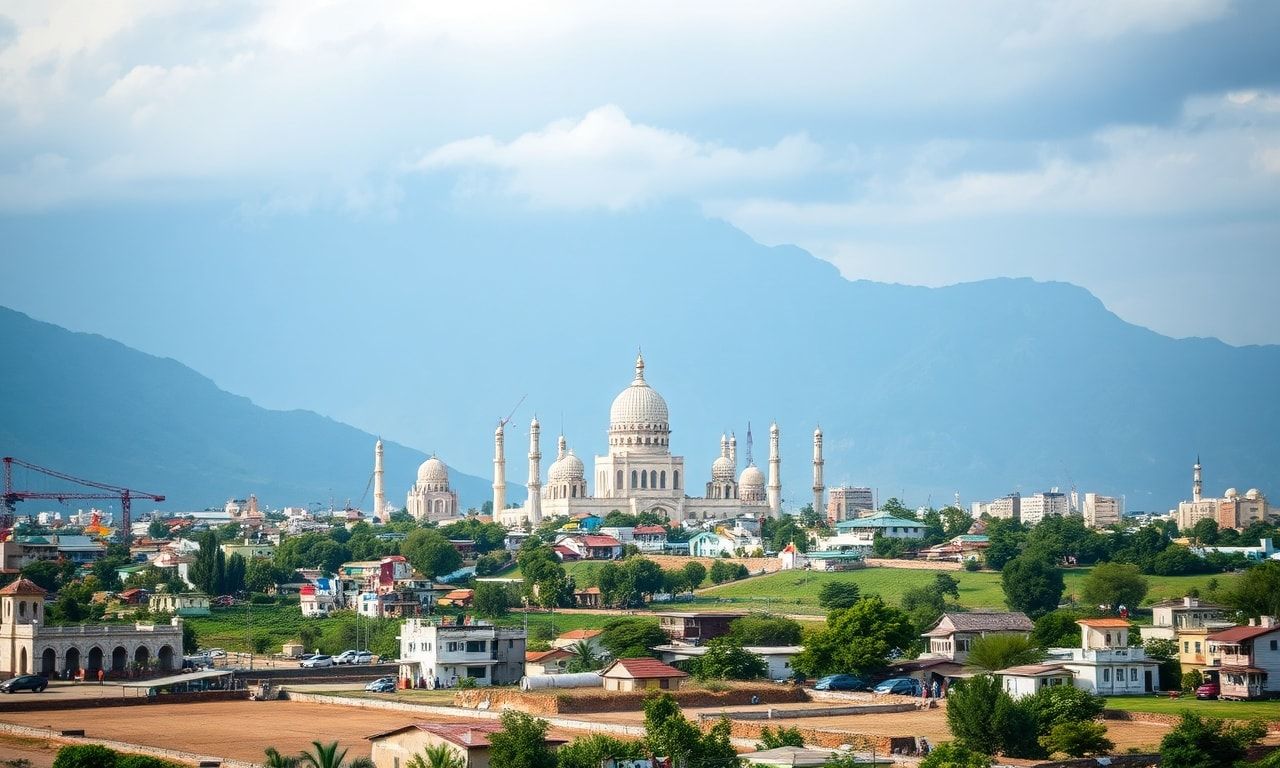
The Current Economic Climate in Pakistan
Pakistan’s economy has been navigating a complex landscape marked by both challenges and opportunities. With a population exceeding 220 million, the country’s economic trajectory significantly impacts regional dynamics and global economic trends. Recent data indicates a mixed bag of economic indicators, with inflation rates posing significant concerns for policymakers and citizens alike.
The State Bank of Pakistan has been actively implementing monetary policies to stabilize the economy. However, external factors such as global oil prices and regional economic shifts continue to exert pressure on the national economy. Understanding these nuances is crucial for stakeholders, investors, and the general public to make informed decisions.
Inflation and Monetary Policy
Inflation has been a persistent challenge, with the Consumer Price Index (CPI) showing a steady upward trend. The government has responded with a series of measures aimed at curbing inflation, including adjustments to interest rates and fiscal policies. The State Bank of Pakistan’s recent decisions have been closely watched by economists and financial analysts, who are keen to see the impact of these policies on the broader economy.
Despite these efforts, inflation remains a significant concern, particularly for low-income households. The cost of essential commodities such as food and fuel has risen, putting additional strain on household budgets. Analysts suggest that a multi-pronged approach, including supply-side interventions and targeted subsidies, may be necessary to address this issue effectively.
Trade and Investment: A Mixed Picture
Pakistan’s trade relations with other countries have been a topic of intense debate. The government has been working on diversifying its trade partnerships to reduce dependency on traditional markets. Recent agreements with countries in the Middle East and Central Asia have shown promise, but challenges remain in terms of logistics and regulatory frameworks.
Investment inflows have also been a mixed bag. While foreign direct investment (FDI) has seen some growth, there are concerns about the overall investment climate. Issues such as bureaucratic red tape, regulatory uncertainties, and security concerns have been cited as barriers to attracting significant foreign investment. Addressing these issues is crucial for Pakistan to tap into its economic potential fully.
For those interested in the broader economic trends in the region, staying informed about Indonesia economic news today can provide valuable insights into how neighboring economies are faring and what lessons can be learned for Pakistan’s economic strategy.
Social and Developmental Challenges
Beyond economic indicators, Pakistan faces significant social and developmental challenges. Issues such as poverty, education, and healthcare remain critical areas of concern. The government has launched several initiatives aimed at improving access to education and healthcare, but progress has been slow. Ensuring that these initiatives are effectively implemented and reach the most vulnerable populations is essential for sustainable development.
Poverty alleviation programs have been a key focus, with the government introducing various schemes to provide financial assistance to low-income families. However, the effectiveness of these programs has been a subject of debate, with critics arguing that more needs to be done to ensure that the benefits reach those who need them the most. Improving the targeting mechanisms and ensuring transparency in the distribution of benefits are crucial steps in this regard.
The Role of Technology and Innovation
Technology and innovation are increasingly being recognized as key drivers of economic growth. Pakistan has made significant strides in the tech sector, with a growing startup ecosystem and a vibrant community of entrepreneurs. The government has been supportive of these initiatives, providing funding and creating an enabling environment for innovation.
However, challenges remain in terms of infrastructure and access to technology. Ensuring that the benefits of technological advancements reach all segments of society is crucial for inclusive growth. Initiatives such as digital literacy programs and the expansion of broadband infrastructure can play a significant role in bridging the digital divide and fostering a more inclusive economy.
In conclusion, Pakistan’s economic landscape is marked by a complex interplay of challenges and opportunities. While inflation and trade issues pose significant hurdles, the potential for growth through technology and innovation offers a promising path forward. Addressing these challenges requires a comprehensive and coordinated approach, involving all stakeholders, to ensure sustainable and inclusive economic development.
Amidst the evolving global economy, Bali’s rise as a hub offers a compelling narrative on shifting financial landscapes.
To gain a deeper understanding of the economic shifts in Southeast Asia, consider exploring Indonesia’s growth prospects in 2023, which highlights both opportunities and challenges.
To stay informed about the latest shifts in the global market, consider exploring emerging economic trends worldwide and their potential impacts.