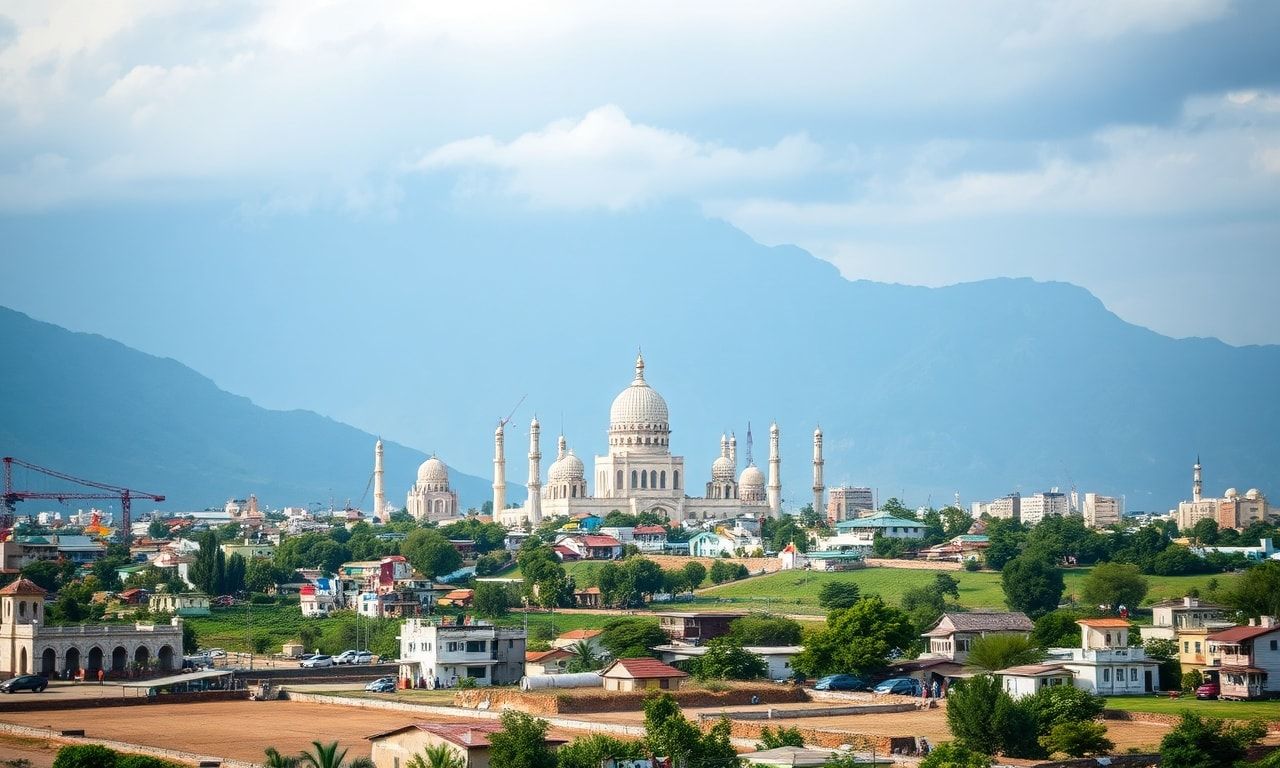
The Current Economic Climate in Pakistan
Pakistan’s economic landscape is a tapestry of challenges and opportunities, shaped by a complex interplay of domestic and international factors. The country has been grappling with a range of issues, including inflation, fiscal deficits, and external debt, which have necessitated careful navigation by policymakers. Despite these hurdles, there are also significant opportunities for growth and development, particularly in sectors like technology, agriculture, and renewable energy.
Inflation and Fiscal Deficits
One of the most pressing concerns for Pakistan’s economy is the persistent issue of inflation. The Consumer Price Index (CPI) has been on an upward trajectory, driven by rising food and energy prices. This has put considerable pressure on the purchasing power of ordinary citizens and has also impacted business operations. The fiscal deficit, another critical metric, has been widening, necessitating a delicate balance between expenditure and revenue generation. The government has been exploring various strategies to curb inflation and reduce the fiscal deficit, including monetary policy adjustments and fiscal reforms.
External Debt and Financial Stability
External debt is another significant challenge for Pakistan. The country has been relying on loans from international financial institutions and bilateral lenders to finance its development projects and manage its fiscal deficits. However, this has led to a growing debt burden, raising concerns about financial stability. The government has been working on debt management strategies to ensure sustainable borrowing and repayment practices. Additionally, efforts are being made to attract foreign investment and boost exports to improve the country’s balance of payments.
Opportunities in Key Sectors
Despite the economic challenges, Pakistan has several sectors that offer significant growth potential. The technology sector, for instance, is witnessing a boom with the rise of startups and the increasing adoption of digital solutions. The agriculture sector, which employs a large portion of the population, also holds promise for modernization and increased productivity. Renewable energy is another area with considerable potential, as the country seeks to diversify its energy mix and reduce its carbon footprint. These sectors not only offer economic opportunities but also have the potential to create jobs and drive innovation.
Government Initiatives and Policy Reforms
The government has been implementing various initiatives and policy reforms to address the economic challenges and capitalize on the opportunities. For example, the tendances couleurs automne hiver initiative aims to promote sustainable practices in the fashion industry, which can have a positive impact on the environment and the economy. Other reforms include tax policy changes, improvements in the ease of doing business, and investments in infrastructure. These efforts are crucial for creating a conducive environment for economic growth and development.
International Cooperation and Aid
International cooperation and aid play a vital role in supporting Pakistan’s economic development. The country has been receiving assistance from various international organizations, including the International Monetary Fund (IMF), the World Bank, and the Asian Development Bank (ADB). These institutions provide financial support, technical assistance, and policy advice to help Pakistan navigate its economic challenges. Additionally, bilateral cooperation with countries like China, the United States, and members of the European Union has been instrumental in supporting Pakistan’s development agenda. Collaboration with these international partners is essential for achieving sustainable economic growth.
Conclusion
Pakistan’s economic landscape is characterized by a mix of challenges and opportunities. While inflation, fiscal deficits, and external debt pose significant hurdles, sectors like technology, agriculture, and renewable energy offer promising avenues for growth. The government’s initiatives and policy reforms, along with international cooperation and aid, are crucial for navigating these challenges and capitalizing on the opportunities. As Pakistan continues to address its economic issues and leverage its growth potential, it can pave the way for a more prosperous and sustainable future.