The Rich Tapestry of Pakistan’s Artistic Legacy
Pakistan, a land of diverse cultures and historical significance, boasts a rich artistic heritage that spans centuries. From the intricate mosaics of Mohenjo-Daro to the vibrant truck art of contemporary Lahore, the country’s artistic expressions are as varied as they are profound. This article delves into the multifaceted world of Pakistani art, exploring its historical roots, contemporary trends, and the unique techniques that define its beauty.
Historical Foundations of Pakistani Art
The roots of Pakistani art can be traced back to the Indus Valley Civilization, where artifacts and sculptures reveal a sophisticated understanding of aesthetics. The Gandhara school of art, which flourished between the 1st century BCE and the 7th century CE, is renowned for its Greco-Buddhist fusion, characterized by the serene expressions of the Buddha and the intricate detailing of sculptures. This period laid the groundwork for the artistic traditions that would evolve over the centuries.
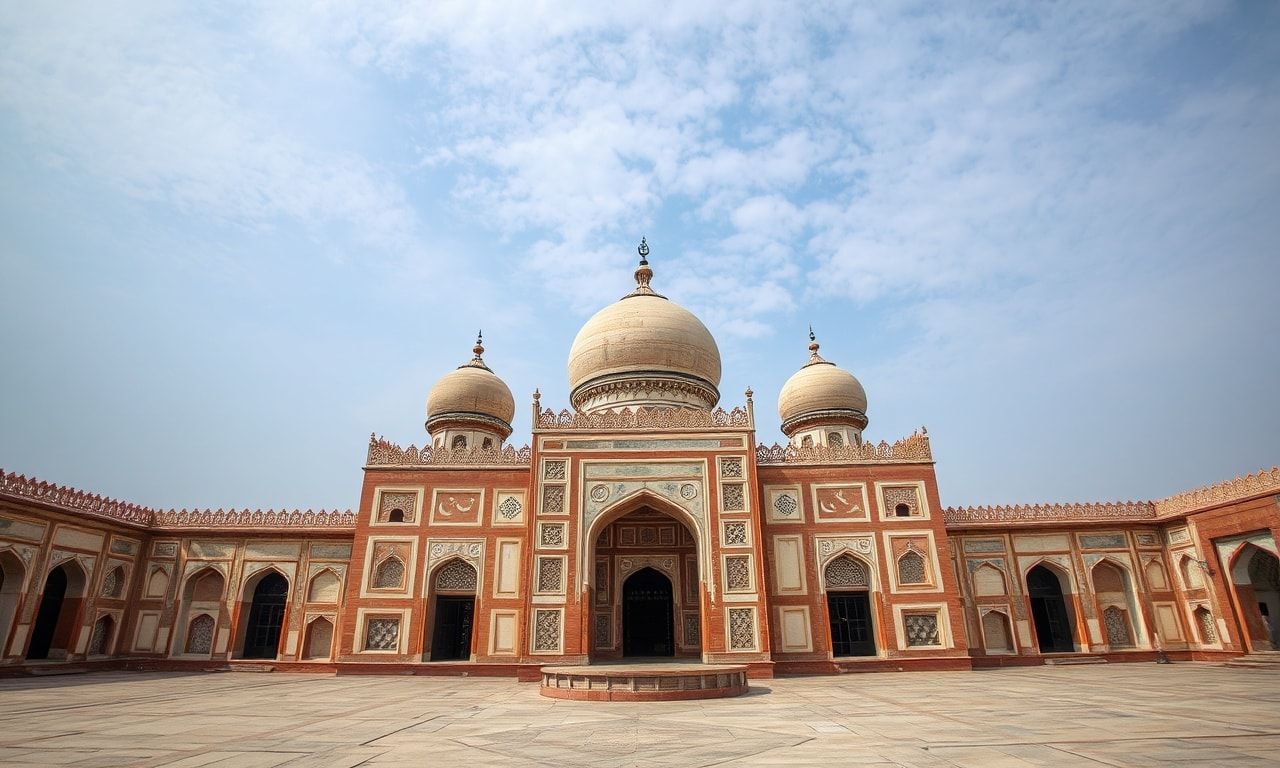
During the Mughal era, Pakistani art reached new heights of refinement. The Mughal emperors were patrons of the arts, fostering a golden age of miniature painting, calligraphy, and architecture. The Shah Jahan Mosque in Thatta and the Badshahi Mosque in Lahore are testaments to the grandeur of Mughal architecture, while the delicate brushstrokes of miniature paintings capture the essence of courtly life and mythology.
Contemporary Artistic Expressions
Today, Pakistani art is a vibrant mix of traditional and modern influences. Artists like Sadequain and Jamil Naqsh have left an indelible mark on the art world, blending calligraphic traditions with abstract expressions. The country’s contemporary art scene is thriving, with galleries and exhibitions showcasing a diverse range of styles and mediums. From abstract paintings to digital art, Pakistani artists are pushing the boundaries of creativity and innovation.
One of the most distinctive forms of contemporary Pakistani art is truck art. This colorful and intricate form of decoration, found on the trucks and buses that traverse the country’s highways, is a testament to the creativity and craftsmanship of Pakistani artists. The use of vibrant colors, intricate patterns, and calligraphic elements makes truck art a unique and beloved aspect of Pakistani culture.
The Role of Texture in Pakistani Art
Texture plays a crucial role in Pakistani art, adding depth and dimension to various forms of artistic expression. Whether it’s the rough texture of a clay pot from the Indus Valley or the smooth finish of a Mughal miniature, texture is an essential element that enhances the visual appeal of artwork. For those interested in exploring the use of texture in their own artistic endeavors, resources like how to use texture in your artwork can provide valuable insights and techniques.
Preserving and Promoting Pakistani Art
Efforts to preserve and promote Pakistani art are ongoing, with museums, galleries, and cultural institutions playing a vital role. The National Museum of Pakistan in Karachi and the Lahore Museum are just two examples of institutions dedicated to safeguarding the country’s artistic heritage. Additionally, international exhibitions and collaborations help to showcase Pakistani art on a global stage, fostering cultural exchange and appreciation.
Art education and workshops are also crucial in nurturing the next generation of artists. Institutions like the National College of Arts in Lahore and the Indus Valley School of Art and Architecture provide aspiring artists with the skills and knowledge needed to excel in their craft. By investing in art education, Pakistan ensures that its rich artistic traditions continue to thrive and evolve.
The Future of Pakistani Art
The future of Pakistani art looks bright, with a new generation of artists ready to make their mark on the world. As the country continues to embrace technological advancements and global influences, the artistic landscape is evolving in exciting ways. From digital art to mixed media, Pakistani artists are exploring new avenues of expression, ensuring that the country’s artistic legacy remains vibrant and dynamic.
In conclusion, Pakistan’s cultural heritage is a tapestry woven with threads of history, tradition, and innovation. The country’s artistic expressions, from ancient civilizations to contemporary trends, reflect a rich and diverse cultural identity. By preserving and promoting its artistic heritage, Pakistan ensures that its cultural legacy continues to inspire and captivate audiences around the world.