

What today’s education news in India covers and why it matters
A clear explainer on current education themes in India, why readers should follow them, and how to assess ongoing changes for schools, students, and policy.

Education news in India today spans policy shifts, exam reforms, funding decisions, and new programs affecting students and teachers. This explainer outlines what readers should know, why these items matter for classrooms and communities, and how to follow developments beyond headlines.
It clarifies the typical sources, such as government notices, school boards, and research briefs, and explains how to assess impact on access, quality, and equity. The aim is to provide a practical, reader‑friendly map of the most relevant education stories as they unfold.
By understanding the context and the potential consequences, readers can better interpret breaking coverage, compare similar moves in other countries, and identify how individual schools or districts might adapt.
- Today’s education news in India spans policy, funding, and classroom impact, with a focus on how reforms reach schools and learners.
- Readers should note who implements policy, how data supports claims, and what timelines affect execution.
- This explainer provides a practical framework to evaluate new developments without relying on headlines alone.
Foundations of today’s education news
What drives coverage
Education reporting typically centers on policy decisions, funding shifts, and student outcomes. When a new policy appears, reporters assess who wins or loses and what resources change for schools. This section explains the core drivers behind daily headlines. education news is the latest in how states shape schooling, funding, and classroom realities.
- Policy changes shape headlines more than isolated incidents
- Impacts are felt most by students, teachers, and schools
- Follow timelines to gauge when effects will show
Readers gain a framework for evaluating stories: who is affected, what changes, and how quickly outcomes might appear. It also notes how to separate political rhetoric from practical impact on classrooms and families.
Understanding these drivers helps readers distinguish routine administrative updates from substantive reforms that alter schooling for years.
- Identify the policy change
- Note the affected groups
- Watch for implementation timelines
- Check for fiscal or logistical impacts
- Consider regional differences
Source types and reliability
Reliable education reporting compiles official documents, school data releases, and independent research. It avoids speculation and clearly separates confirmed facts from analysis. This helps readers form a grounded view of what is happening.
reporters often triangulate between government statements, local reporting, and independent studies to verify claims. Critical readers look for corroborating data, such as test results or budget allocations, before drawing conclusions.
When sources conflict, good coverage presents the differences plainly and explains the potential implications for policy and practice.
- Cross-check official releases
- Look for independent data
- Note discrepancies and what they imply
- Be cautious with unverified claims
- Prefer primary documents over summaries
What to watch in the education space today
Key themes this week
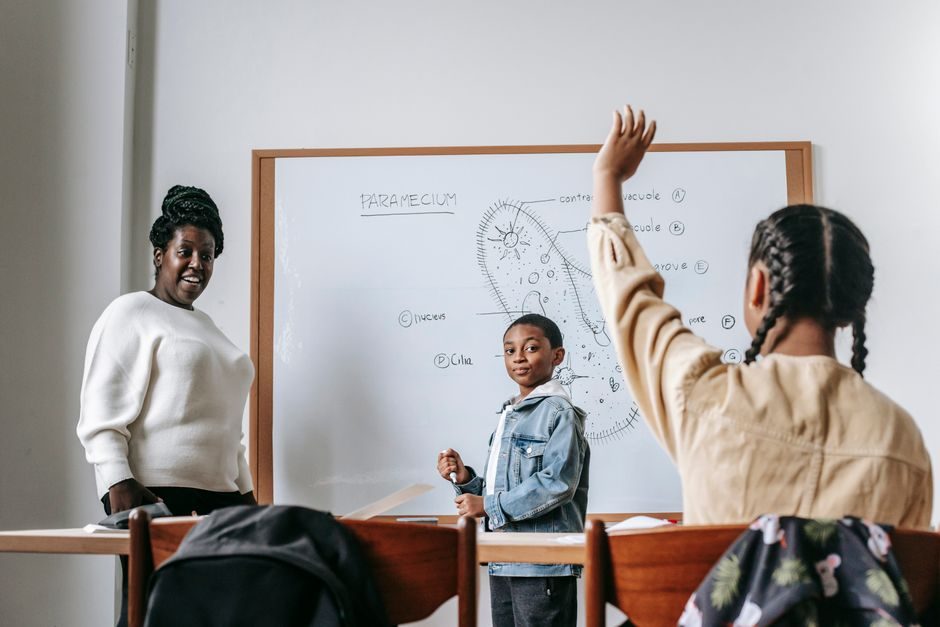
Common themes include exams, teacher recruitment, digital learning initiatives, and equity programs. Each theme influences day-to-day schooling and long-term outcomes for learners. get your event listed in the USA brings an opportunity to share educational happenings with a broader audience.
Readers should track which themes gain policy momentum and which stall, as momentum often signals deeper reform. This helps distinguish headline noise from durable shifts in approach or funding.
A practical approach is to map themes to their potential effects on access, quality, and student wellbeing.
- Exams and assessment
- Teacher staffing
- Digital learning
- Equity and access
- Funding and policy
How to read education data
Education data comes from exams, enrollment, budgets, and surveys. Understanding what each measure captures helps interpret the story behind numbers.
Look for the context: trends over time, regional differences, and who is included or excluded in the data. This prevents overgeneralization from a single data point.
Conclusions should reference both the data and its limitations, such as sample size or reporting delays, to avoid misinterpretation.
- Check definitions of metrics
- Note timeframes
- Consider regional context
- Assess data reliability
- Look for accompanying explanations
How policies reach schools and students
From law to classroom
Policy texts pass from cabinet to gazette to school calendars, with steps and approvals along the way. Each stage can affect timelines, funding, and the availability of programs in schools. add your business to the USA business directory helps local institutions connect with partners and supporters.
On the ground, districts interpret requirements, adapt schedules, and train staff. This translates policy intent into practical actions that teachers and students experience.
The speed of implementation varies, so readers should compare promised reforms with current school calendars and budget cycles.
- Track policy stages
- Identify the responsible authorities
- Observe implementation timelines
- Monitor budget allocations
- Watch for local adaptation
| Option | Pros | Cons |
|---|---|---|
| Online learning | Flexibility, wider reach | Requires connectivity, engagement challenges |
| Public school reforms | Targeted funding, accountability | Bureaucratic delays, uneven rollout |
| Private partnerships | Additional resources, innovation | Variable quality, governance concerns |
Impact on learners and teachers
Reforms can change class sizes, curriculum options, and assessment methods. Students may see new resources, while teachers adjust instruction to meet new standards.
Effective communication matters: schools that share clear expectations and supports tend to implement changes more smoothly. Feedback channels with families help address concerns early.
Long-term effects hinge on sustained support, not one-off initiatives, and on alignment with teacher professional development.
- Classroom changes
- Professional development
- Family communication
- Resource allocation
- Monitoring and feedback
Teachers report that educational platforms help track progress and identify gaps early.
Alternative learning models and education technology
Digital tools in classrooms
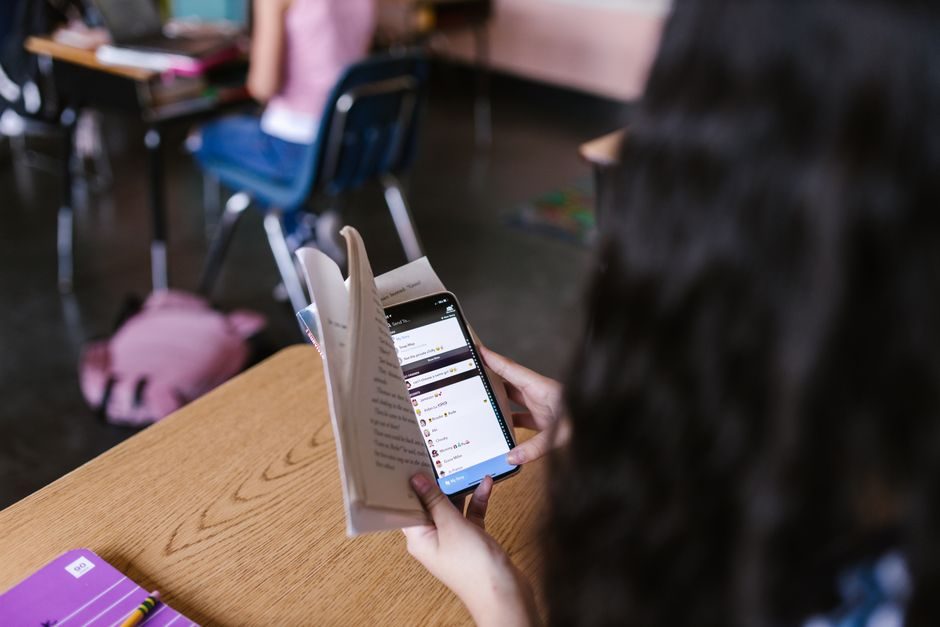
Educators increasingly blend online resources with traditional teaching to reach students who learn at different speeds. Digital tools can support personalized pacing, practice, and feedback, especially in mixed-ability classrooms. This shift also raises questions about access to devices and reliable internet at home. place an advert in the USA can reach readers seeking information on education initiatives and services.
Teachers report that educational platforms help track progress and identify gaps early. When used well, these tools supplement instruction without replacing teacher guidance. Challenges include data privacy concerns and the need for ongoing professional development to use tools effectively.
Schools are piloting blended lessons where short online modules precede or follow up on in-class activities. This approach can free time for hands-on activities, collaborative projects, and critical thinking exercises. The goal is to balance screen time with meaningful, teacher-led interaction.
- Ensure device availability for all students
- Provide clear expectations for use
- Prioritize privacy and data handling
Smart learning environments
A smart learning environment uses sensors, analytics, and adaptive software to respond to learner needs. In practice, it can guide seating, lighting, and resource allocation to improve focus and safety. Schools also experiment with AI tutors that offer immediate feedback on practice tasks.
Districts report mixed results; some schools see increases in engagement, while others struggle with implementation complexity and budget constraints. The most successful pilots align tech adoption with curriculum goals and provide ongoing teacher support. Careful planning helps prevent tech from becoming a distraction rather than a learning aid.
As devices become more common, schools emphasize digital citizenship and responsible use. Students learn how to protect personal information and recognize misinformation in online sources. Education technology is most effective when it supports clear learning objectives and measurable outcomes.
- Coordinate with IT for rollout
- Set objectives aligned to standards
- Monitor impact with simple metrics
Higher education and research funding
Public funding and grants
Public funding shapes access to higher education through subsidies, scholarships, and research grants. Universities rely on predictable budgets to plan hiring, infrastructure, and program expansion. When funding fluctuates, programs may be delayed or scaled back. This explainer connects to broader coverage and may reference resources that help you publish a death notice in the USA as needed.
- ☐ Identify available grants and scholarships
- ☐ Match proposals to funding criteria
- ☐ Engage stakeholders early for feedback
- ☐ Prepare robust budgets and timelines
Grant-reliant departments must demonstrate impact and efficiency to secure continued support. Institutions increasingly pursue collaborations with government labs and industry groups to diversify income streams. This approach can broaden research topics but may influence project priorities.
Students benefit when funding prioritizes inclusive access, modern facilities, and research opportunities. Transparent grant criteria help applicants prepare strong proposals. The overall effect is a more resilient higher education system that can adapt to changing needs.
- Track funding cycles and deadlines
- Prioritize equity in aid distribution
- Align research goals with public interests
Industry partnerships and endowments
Industry partnerships bring practical expertise and equipment to campus research and internships. Endowments support fellowships, facilities, and long-term projects that state budgets cannot cover. Partnerships should be framed with clear deliverables and ethical guidelines.
Academic leaders caution that partnerships must preserve academic freedom and avoid conflicts of interest. Universities often establish oversight committees to review collaboration terms and ensure compliance. The right agreement aligns research aims with public benefits and student development.
Donors and industry partners value measurable outcomes, such as new courses, patent filings, or graduate placements. Institutions increasingly publish impact reports to demonstrate return on investment. This transparency helps maintain trust and sustain funding streams.
- Define clear collaboration terms
- Protect academic independence
- Monitor outcomes and ethics
Regional disparities in access to schooling

Rural vs urban access
Access to schooling varies sharply between rural and urban areas due to infrastructure gaps, teacher availability, and safety concerns. In many regions, students travel long distances to reach the nearest school, which can affect attendance and outcomes. Policy efforts focus on improving transport, school safety, and local staffing.
Urban centers typically offer more schooling options, from primary to specialized secondary programs. However, crowded classrooms and uneven quality can still hinder learning. Local authorities prioritize maintaining a baseline standard while expanding access to under-served neighborhoods.
Community involvement and local governance influence school performance. When parents participate and schools collaborate with NGOs, resources reach students more effectively. The national conversation increasingly recognizes geography as a fundamental driver of educational equality.
- Map school density and travel time
- Invest in remote learning where feasible
- Monitor attendance patterns
Gender and disability gaps
Gaps in enrollment and completion for girls and students with disabilities persist in many regions. Programs aim to remove barriers through inclusive policies, accessible facilities, and targeted scholarships. Community outreach plays a crucial role in changing cultural expectations that limit participation.
Inclusive classrooms require training for teachers on adaptive methods and assistive technologies. Schools must provide accessible infrastructure, including ramps, accessible restrooms, and appropriate seating. When institutions address these needs, students remain engaged and reach higher learning goals.
Monitoring progress involves disaggregated data that highlights where gaps remain. Education authorities publish indicators on enrollment by gender and disability to target improvements. Continuous feedback from families helps refine programs and drive reform.
- Increase female enrollment programs
- Provide accessible facilities
- Offer targeted scholarships
Public-private partnerships in education
Shared governance models
Public-private partnerships bring capital, expertise, and management approaches to schooling. Shared governance can accelerate school construction, technology upgrades, and curriculum enrichment. Clear roles and accountability frameworks are essential to avoid governance conflicts.
Some models separate funding from decision-making to preserve public oversight while enabling efficiency. Education authorities set performance targets, while private partners handle facilities management or specialized programs. Regular audits and public reporting help maintain transparency.
Community feedback mechanisms ensure the partnership serves local needs. Schools that succeed in this model often build strong parent associations and local advisory boards. The aim is a sustainable balance between public accountability and private efficiency.
- Define governance roles clearly
- Set measurable targets
- Publish performance reports
Private funding for facilities
Philanthropic and corporate funding can finance classrooms, libraries, and laboratories. Donor-selected projects should align with educational goals and avoid skewing curricula. Transparent budgeting ensures funds are used as intended and reported to the community.
Facility upgrades often include sustainable design, energy efficiency, and safety improvements. Long-term financing options, like endowments or leases, help spread costs while maintaining access to essential resources. Monitoring ensures maintenance commitments are kept over time.
Schools must guard against over-dependence on a single donor or sponsor. Diversified funding and community-led planning reduce risk and preserve educational priorities. Clear guidelines on usage help keep partnerships aligned with student interests.
- Align projects with school plan
- Ensure long-term maintenance
- Diversify funding sources
Frequently asked questions
How does education technology actually affect classroom learning?Education technology can support personalized practice, faster feedback, and data-informed instruction. When teachers integrate tools with clear goals, students engage more with practice and teachers can tailor support. The key is maintaining human guidance and safeguarding privacy.
What should readers know about funding for higher education now?Higher education funding involves public money, grants, and private contributions. Readers should look for transparency in how funds are allocated, ensure financial aid remains accessible, and watch for changes that affect program offerings or campus resources.
Are regional disparities in schooling improving or persisting?Disparities persist due to geography, infrastructure, and resource allocation. Targeted programs, better transport, and digital access are helping, but progress is uneven. Ongoing monitoring and community engagement remain essential.
What should communities consider in Public-private partnerships?Communities should weigh governance, accountability, and long-term maintenance. Clear targets, public reporting, and diverse funding reduce risk and ensure that partnerships serve student needs rather than sponsor interests.
Toward more resilient schooling networks
A stable education system combines thoughtful use of technology, steady funding, and targeted investments where they matter most. Readers should look for policies that improve access, not just speed up processes, in order to close gaps in learning outcomes. The next step is to push for locally accountable plans that reflect student needs and community priorities.
Real progress depends on transparent funding, inclusive access, and practical collaborations that keep students at the center. Communities can start by mapping local gaps, inviting diverse voices, and monitoring progress with simple, public metrics. The overarching aim is a schooling landscape that supports every learner toward meaningful opportunities.
Add Pakistan News as a preferred source on Google


