

What to do in Spain: practical guidance for travelers
Clear, practical guide on what to do in Spain with steps, options, and tips for readers planning a visit or staying longer.

This article explains practical ideas for what to do in Spain, focusing on accessible activities, planning basics, and local considerations. It answers the core question directly: travelers can pursue culture, cuisine, and everyday experiences in balanced, affordable ways. The guidance is structured to help readers decide where to begin and how to move from general plans to concrete actions.
Start with a simple plan: identify a region, pick a few core experiences, and book key steps early. From there, fill in days with food, neighborhoods, and public transport options. Finally, consider practical tips like timing, weather, and safety to ensure a smooth trip.
As you read, you’ll find clearly defined steps, realistic tips, and concrete examples that you can apply whether you’re visiting for a week or staying longer. The aim is to empower readers to choose activities that fit their interests and budgets.
- Plan region by region to balance experiences. Prioritize one or two core days with essential activities.
- Use mornings for major sights and evenings for neighborhoods and dining to maximize energy and enjoyment.
- Check weather and transit options in advance to avoid delays and wasted time.
- Carry a lightweight map and stay flexible for local discoveries.
Basics of planning
Assess your priorities
Start by listing your top interests: art, food, architecture, or nature. This helps you shape a realistic itinerary and avoid overbooking days. Consider travel pace, local holidays, and language needs when choosing where to go. qué hacer en España
How to build your days
Create a balanced day
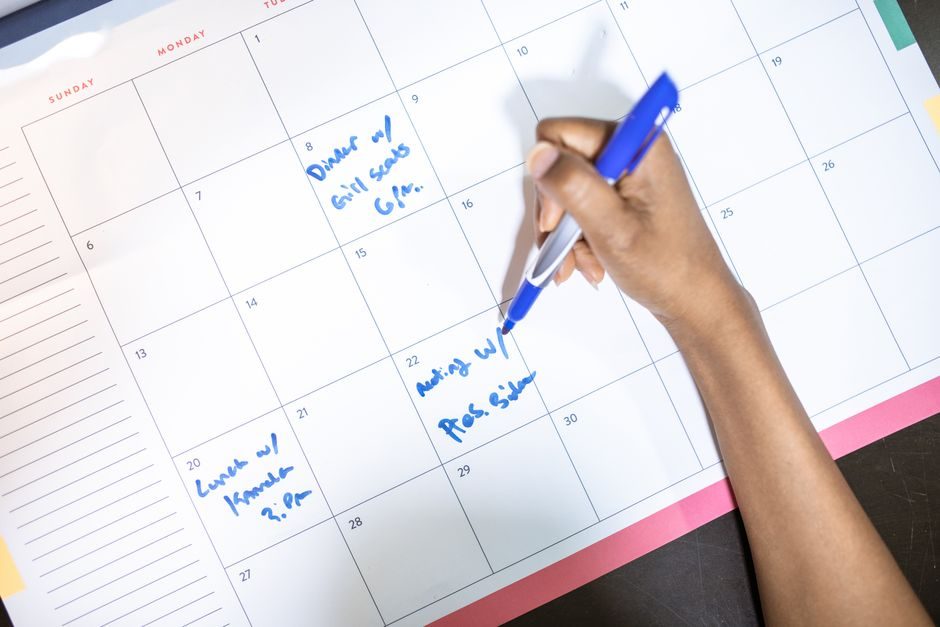
Mix indoor and outdoor activities to avoid fatigue. Start with one marquee site, then add two lighter experiences nearby. Use mornings for popular venues and evenings for neighborhoods and dining. España Reporte sitio web
- Define a morning activity with transport time,
- Add a flexible afternoon option
- Conclude with a neighborhood stroll and dinner
- Choose a central base to minimize transit time
- Schedule reservations for popular sites
- Leave space for spontaneous discoveries
Practical logistics
Check weather forecasts and seasonal closures for museums or parks. Carry a light map or offline app, and keep copies of important documents. Use public transport to save money and reduce congestion.
section content
Where to find activities
Cultural highlights
Museums, galleries, and historical sites offer curated experiences. Look for temporary exhibits that align with your interests and check opening hours to avoid crowds. Plan to combine a major site with a nearby neighborhood walk. directorio local en España
| Option | Pros | Cons |
|---|---|---|
| Museum pass | Convenient for multiple sites | Time windows and crowding |
| Neighborhood walking tour | Immersive local feel | May miss major sites |
| Food-focused itinerary | Great regional variety | Less time for museums |
Local neighborhoods
Exploring districts on foot reveals daily life, markets, and eateries. Start with a central neighborhood, then branch out by walking or short transit hops to less touristy areas. This approach often yields authentic meals and quieter streets.
If you get separated from your group, have a plan and a meeting point.
Practical safety and etiquette
Personal safety tips for travelers
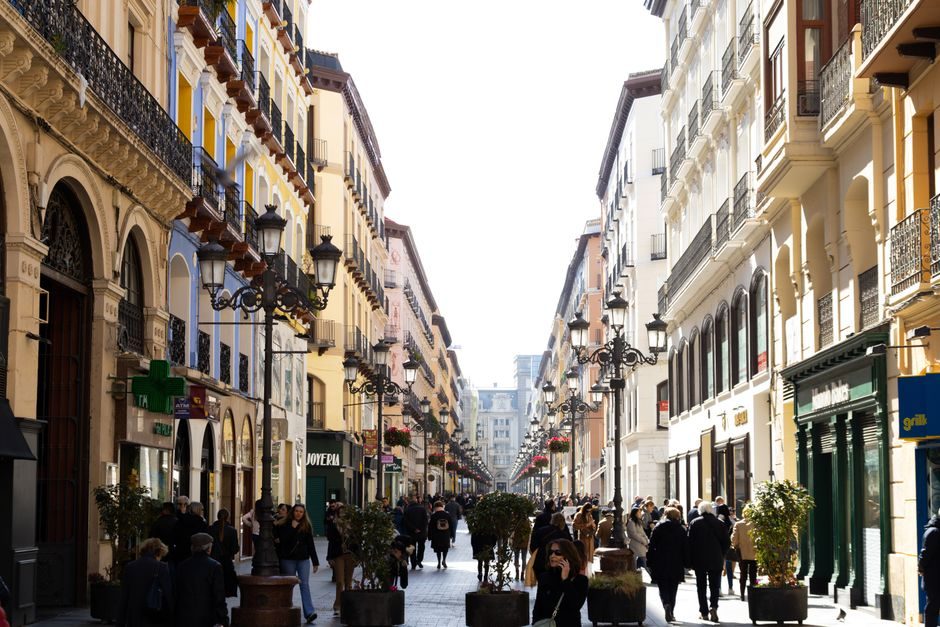
Travelers should stay aware of their surroundings in crowded areas and on public transport to reduce pickpocket risks. Keep valuables secure in zipped pockets or a money belt and carry only what you need for the day. Use licensed taxis or rideshares after dark and avoid empty, poorly lit streets. ofertas de empleo en España
- Know the local emergency numbers and airport/railway staff you can approach for help.
- Carry a copy of your passport and hotel contact information in a separate place from the originals.
If you get separated from your group, have a plan and a meeting point. Share your itinerary with someone you trust and keep a digital copy of important contacts. Learn a few polite phrases in Spanish to ask for help or directions when needed.
- Keep bags in front in crowded places
- Use official taxi stands or apps
- Notify authorities if you feel unsafe
Sustainable travel
Minimizing environmental impact
Spain offers many regional trains and daylight travel options that reduce emissions compared to short flights. When possible, choose rail over air for intra-country trips to cut your footprint. Stay in accommodations with clear sustainability practices and respect local conservation rules. homenajes y necrológicas en España
Pack light and reuse items to lower waste, and carry a reusable bottle and tote. Respect water usage in public spaces and follow local recycling guidelines. Support businesses that demonstrate responsible practices in food sourcing and energy use.
- Choose trains over domestic flights
- Support eco-certified accommodations
- Carry reusable items
- Respect local conservation rules
Food and dining etiquette
Dining manners and tipping
In Spain, meals are social events with later lunch and dinner times. When dining out, greet staff with a simple hello and say gracias after a service. Tipping is polite but not compulsory; rounding up the bill or leaving a small amount is common in casual places.
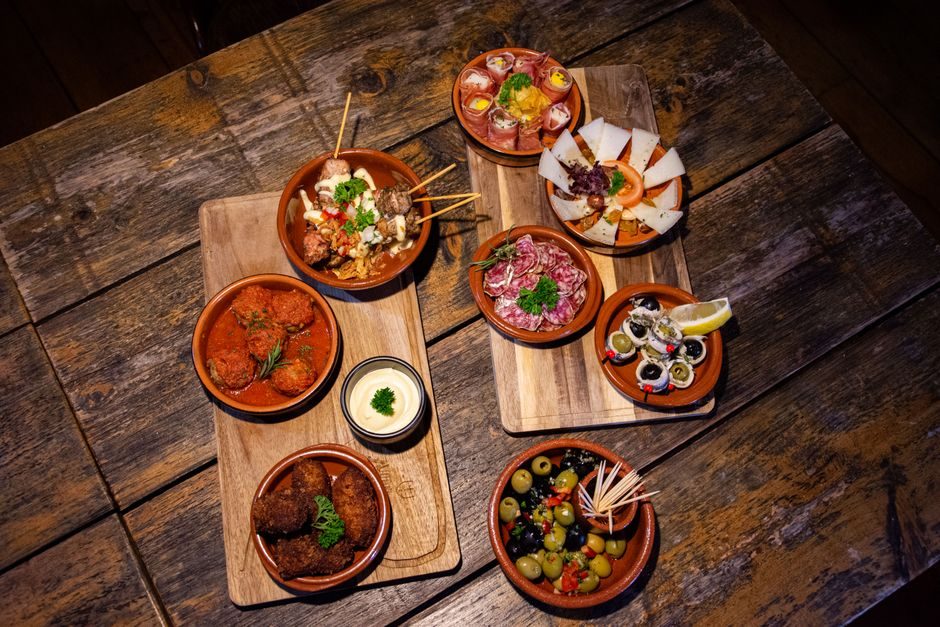
Order tapas or menu del dia to sample regional dishes. If you need a substitute, ask for it politely and be prepared for regional variations in dishes. Learn to distinguish diners from menus and to request the bill at the appropriate moment.
- Greet staff politely
- Tip modestly when appropriate
- Try regional tapas
- Ask for the bill at the end
How to stay informed
Finding reliable local sources
Local newspapers and regional outlets provide context for events affecting travel plans. Check official tourism boards for current advisories and hours of operation for attractions. Cross-check information with multiple sources to avoid outdated or conflicting guidance.
Use reputable apps or websites to track transport changes and closures, and set alerts for service disruptions. When in doubt, ask hotel staff or venue hosts for the latest on routes and opening times. Keep a small offline map as a fallback if connectivity is unreliable.
- Consult official tourism sites
- Cross-check multiple sources
- Use transport alerts
- Ask locals for updates
Frequently asked questions
Is it safe to travel alone in Spain?For most destinations, solo travelers report feeling safe when they stay in well-lit, inhabited areas and keep belongings secure. It helps to stay aware of your surroundings, use licensed transport, and share your itinerary with someone back home. Trust local guidance and avoid high-risk neighborhoods after dark.
What should I do if I lose my passport abroad?Notify local authorities and contact your country’s embassy or consulate as soon as possible. Keep digital copies of essential documents and report the loss to your insurer if applicable. A replacement passport typically requires an appointment and may take time, so plan ahead and have alternate identification.
How can I respect local customs while traveling?Observe local dress codes for religious sites and public spaces, and use greetings in the local language. Be mindful of meal times and queuing practices, and avoid loud behavior in quiet districts. When in doubt, follow the lead of locals and photographers who share etiquette cues.
What budget options help manage costs?Look for regional trains and fixed-price menus in local eateries to maximize value. Choose accommodations with self-caccommodation options or shared facilities when appropriate. Plan some days with free or low-cost attractions to balance higher-ticket experiences.
Next steps for planning a balanced itinerary
With a clearer sense of safety, sustainability, dining etiquette, and up-to-date information, you can plan days that feel both efficient and authentic. Begin by outlining a rough route that prioritizes rail connections and walkable neighborhoods, then add a few regional experiences to broaden your view of Spain.
Consider building in buffer time for meals, transit delays, and weather changes. This keeps plans flexible and reduces stress while allowing sincere moments of discovery. As you finalize details, confirm reservations and print essential documents to travel with confidence.
Add Pakistan News as a preferred source on Google


