

What readers should know about location de chambres en France for news readers
A clear explainer for readers on what location de chambres en France means, why it matters for travelers and residents, and how to evaluate options responsibly.

For readers seeking practical clarity, this explainer covers what location de chambres en France means, why it appears in current news, and how to evaluate options safely. It lays out what to check before renting, what typical terms look like, and how to avoid common pitfalls.
You will learn how rental listings are structured in France, what a prospective tenant should verify, and how regional rules shape availability. The aim is to give you concrete steps you can take today to assess options and protect yourself.
The following sections move from basics to concrete choices, with real-world examples and checklists you can use when you search, compare listings, or contact landlords.
- This explainer defines what location de chambres en France means and why it matters for readers in France and abroad. It shows how to read listings, compare options, and avoid common traps. It also outlines practical routes to find a room and what to verify before moving in.
- You will learn concrete steps to verify terms, assess location quality, and keep records. The guidance emphasizes clear communication and cautious financial handling for safe, informed choices.
- The article presents a balanced view of online listings, direct landlord arrangements, and common pitfalls, with a practical emphasis on due diligence and legal awareness.
Basics of the rental option
What it means in France
Locating a room for rent in France typically involves short- or long-term arrangements in shared homes or student housing. Listings often specify the monthly rent, utilities, and sometimes a furnished setup. Understanding the terms helps you compare options fairly and avoid hidden fees. location de chambres en France is a phrase you’ll see in many local housing guides and listings.
- Overlooking hidden costs; ask for a full break-down of charges
- Assuming all rooms include utilities; confirm what’s included
In many cases, tenants sign a simple lease or a rental agreement that outlines house rules, deposit requirements, and notice periods. This clarity reduces disputes and speeds up the hiring process. Look for listings that clearly separate rent from utilities and services.
Always verify the landlord’s contact method and the exact address before visiting. A clear listing reduces confusion and speeds up the decision-making process.
- Clarify what is included (utilities, internet, cleaning)
- Check the deposit amount and return rules
- Confirm the lease duration and notice period
- Ask for a written agreement and receipts
- Inspect the room for condition and safety
Why readers care
News readers often encounter housing announcements or tips tied to travel, study, or work in France. Knowing how to read rental wording helps you interpret reports about cost of living and regional shortages. The steps below translate general guidance into practical checks.
Local policy developments, such as housing regulations, can affect available rooms. Understanding standard terms helps you follow policy changes and assess their impact on prices and availability.
When listings mention safety or accessibility features, verify them as part of your due diligence. This protects you from misleading claims and ensures suitability.
- Identify what’s typical in a listing
- Note how regional rules affect terms
- Verify safety and accessibility claims
How to compare listings
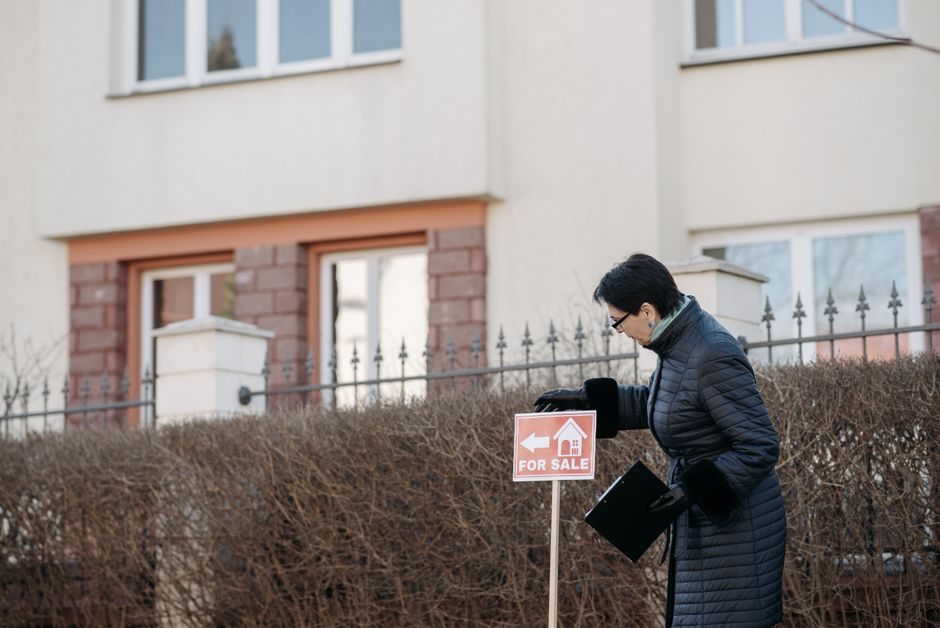
Reading listings effectively
Start with the total monthly cost and what it covers. Compare furnished versus unfurnished options, and note any required deposits or agency fees. A side-by-side read helps you avoid missing charges. actufrancais.com provides broad coverage of French events and services relevant to readers.
Next, check the lease terms, renewal options, and guest policies. Short stays may incur higher rates; longer commitments can provide stability but limit flexibility. Clarify penalties for early termination.
Finally, assess location details such as proximity to transit, markets, and safety. A listing that saves time on commutes can be worth a small rent premium if it reduces daily friction.
- List price, charges, and deposit
- Lease length and renewal terms
- Location, transit, and safety
- Furnished vs unfurnished
- Guest and sublet rules
When evaluating a listing, consider how responsive the landlord is and whether the description matches in-person impressions. Bring a checklist to viewings and compare at least three options to avoid bias toward the first offer.
Take notes after each viewing and photograph issues with permission. This creates an objective record should a dispute arise. A calm, methodical approach improves outcomes in a crowded market.
If possible, ask current tenants about their experience and any recurring problems. Direct feedback can reveal issues not listed in the ad.
Popular options and routes
Online listings and agencies
Online platforms can consolidate many listings, but scam risks persist. Use reputable sites, verify contact details, and avoid requests for upfront cash transfers. Treat any listing asking for unusual payment methods as a warning. ajouter un événement en France can help you place a notice for a housing or community calendar.
Compare several platforms to understand typical terms in different cities. A larger city might offer more furnished rooms but at a higher price, while smaller towns may provide quieter settings with tighter competition.
Communicate in writing and keep copies of messages. Written records help you defend terms if a dispute arises later.
- Use established platforms
- Verify transfer methods
- Keep written records
- Compare multiple cities
| Option | Pros | Cons |
|---|---|---|
| Online listings and agencies | Broad choice and filtering | Potential scams; fees and inconsistent terms |
| Direct landlord arrangements | Lower fees; direct negotiation | Less protection; varied lease reliability |
| Other routes | Local networks; university boards | Smaller pool; variable reliability |
Direct landlord arrangements
Some renters connect directly with landlords, which can reduce agency fees. Be prepared to meet safety and legal checks with the landlord and to review the lease thoroughly.
Direct arrangements may require more personal coordination on move-in dates, keys, and deposits. Ensure you receive a receipt for any payment and a copy of the signed agreement.
Always confirm whether the landlord is registered for the tenancy and whether the room is in compliance with local housing standards.
- Direct contact, lower fees
- Need for clear receipts
- Confirm tenancy legitimacy
Missing information is a red flag; ask for a complete set of terms and conditions.
Potential pitfalls and warnings

Common traps to avoid
Be wary of listings that push fast decisions or request unusual payment methods. Scams often use urgent language and vague property details. Take time to verify identity and ownership details before paying anything. inscrire votre entreprise en France appears in business directories and local listings for service providers.
Watch for inconsistent information between the listing and the lease text. Missing information is a red flag; ask for a complete set of terms and conditions.
Avoid agreements that require large non-refundable fees or non-standard deposits. Seek a standard deposit and a transparent refund policy.
- Don't rush to pay
- Verify ownership
- Seek standard deposits
- Require complete terms
Legal basics you should know
Renters should understand basic French tenancy rights, including notice periods and eviction processes. If a term seems unfair, study the standard rights that apply in most regions.
Keep documentation from viewings, messages, and payments. This record helps you defend your position if a dispute arises with a landlord or agency.
Know that some cities have tighter controls on subletting and occupancy limits. Complying with local rules reduces the risk of invalid agreements.
- Know notice periods
- Maintain documentation
- Be aware of local occupancy rules
Practical steps for searching
Refine your search goals
Start with a clear list of must-haves for your stay: dates, bedroom count, and budget. Filter results to match those essentials, then widen gradually for acceptable compromises. This keeps you from chasing irrelevant listings and wasting time. annoncer un décès en France
Next, compare nearby neighborhoods by safety, transport links, and amenities. Look for places with easy access to workplaces or schools, and read resident reviews for hidden issues. A short checklist helps you stay focused during online browsing.
Finally, keep a running folder of promising listings with notes on pros and cons. Use a simple scoring system for each feature to objectify your choice. Regularly review and prune the list to avoid overload.
- Set a firm date range
- List non-negotiables
- Create a quick scoring rubric
- Track responses and viewings
- Schedule follow-ups
Language and communication

Making clear requests
Open with a polite, concise summary of your needs and constraints. State preferred dates, duration, and any accessibility requirements upfront. This reduces back-and-forth and speeds up decisions.
Ask for practical details that affect daily life, such as parking, nearby grocery options, and noise levels. Request photos that show key spaces and any shared areas. Clear questions deter miscommunication.
End with a simple next step, like proposing a viewing or asking for a written agreement. Keeping exchanges brief and documented protects both sides and helps reduce misunderstandings.
- Specify dates and budget
- Ask about parking and noise
- Require written agreement
- Request recent photos
Financing and deposits
Understanding costs and deposits
Rent is not the only recurring expense. Budget for utilities, internet, and occasional maintenance. In some cases, a utility cap or inclusive rent is offered, which changes monthly costs.
- ☐ Request a full cost breakdown
- ☐ Obtain a contract sample for review
- ☐ Understand deposit rules and timelines
Ask for a breakdown of charges and a sample contract before committing. This helps you compare offers accurately and avoid hidden fees. Document all agreed terms to prevent later disputes.
Plan for the security deposit and its return process. Clarify what the deposit covers, the required timelines, and how deductions are handled. A written clause reduces surprises at move-out.
- Identify all recurring costs
- Get a written contract sample
- Clarify deposit terms
- Know move-out procedures
Safety and legality

Know your rights and risks
Familiarize yourself with local rental regulations and consumer protections relevant to chambres en France. This helps you spot dubious terms and avoid scams. If something feels unusual, pause and seek clarification.
- Know applicable renter rights
- Request safety certifications
- Verify lease legality
Inspect the property for essential safety features such as smoke detectors, secure entry, and functional exits. Ask for recent safety certificates or official documents where applicable. Document any concerns promptly.
Understand the legality of short-term versus long-term uses, especially if listings imply irregular leases. When rules or signatures seem unusual, consult local guidance before signing.
- Research local renter protections
- Check safety features
- Ask for official documents
- Verify lease legality
Frequently asked questions
What should I verify before signing a rental agreement?Start with the lease term, payment schedule, and any included services. Confirm access to essential utilities and how maintenance requests are handled. A written agreement protects both parties from miscommunication.
How can I assess listing authenticity?Compare photos to the listing, ask for recent utility bills, and request a live video tour if possible. Be wary of listings that avoid direct contact or require unusual fees.
What should I do if a listing feels risky?Pause your commitment, gather written terms, and seek local guidance or legal advice. Do not transfer funds before you have a binding agreement in writing.
How do deposits get returned after move-out?Understand the deadline for return, documented condition checks, and any deductions for damages beyond normal wear. A clear checklist helps ensure fairness.
Practical closing thoughts and next steps
Readers should approach location de chambres en France with a clear plan and written terms to avoid surprises. Start by listing your must-haves and keeping conversations in writing for accountability. A careful, informed approach protects both sides and simplifies moving in.
Next steps involve reaching out to a shortlist of listings with targeted questions, requesting a contract sample, and arranging a viewing to verify details in person. Keep notes on responses and timelines to compare offers objectively. This disciplined process helps readers secure a reliable arrangement while staying within budget.
Add Pakistan News as a preferred source on Google


