

How to track latest USA news without bias and noise
A practical guide for readers in Pakistan who want clear, up-to-date USA news coverage, with steps, options, and safety tips.

When you follow breaking events in the United States, you need reliable sources and a clear method. This guide shows how to find latest news USA without wading through hype or speculation. It offers practical steps readers can apply right away to understand events as they unfold.
You’ll learn where to check primary feeds, how to compare reports, and how to spot bias. The aim is a steady, factual picture you can trust for informed discussion and reporting. By the end, you’ll have a simple workflow to stay updated and verify what you read.
Then you can decide which outlets to follow for different needs—live updates, in-depth reporting, or official statements—so your news diet remains balanced and accurate.
- This guide helps you find and verify latest news USA without getting lost in noise.
- It outlines practical steps to check credibility, read with context, and choose reliable outlets.
- You’ll learn how to balance live updates with in-depth reporting and how to avoid common traps.
- A simple habit can keep you informed and confident about what truly matters.
Basics to understand how USA news is reported
Key sources to follow
Start with official statements and major outlets to establish a baseline for events. Look for multiple reports that describe the same incident, noting any discrepancies or gaps in detail. This helps you form a cautious, well-rounded view before exploring opinions. latest news USA is a frequent query for many readers who want real-time context and authoritative voices.
Compare headline wording across outlets to see where emphasis differs. Check dates and timelines to track how a developing story evolves over hours and days. Fresh information often replaces initial sketches of a scene as facts become clearer.
Avoid relying on a single source for interpretation; instead, triangulate with independent reporters and local coverage when possible. This reduces the risk of missing context or amplifying a rushed account.
Practical steps for quick checks
Develop a habit of checking timestamps to see when a report was published and whether updates followed. This helps you gauge freshness and relevance for fast-moving topics.
Use a simple credibility test: who funded the outlet, what is the reporter’s track record, and whether there are corrections noted. These cues indicate reliability without requiring deep background knowledge.
Set a routine: skim headlines, read one detailed piece, then look for a second source with a different angle. This balance keeps you informed without overload.
- Check timestamps
- Assess credibility
- Read a second source
How to read USA coverage with context

Context-driven reading
Context helps you understand why a story matters beyond the immediate incident. Look for background on policy, history, and affected communities to interpret outcomes more accurately. advertise your event in the USA can be part of a broader plan to reach audiences while staying informed about local developments.
Note how events fit into ongoing cycles, such as elections, court rulings, or policy changes. This helps you predict what may come next and why it matters.
Be aware of framing that emphasizes certain outcomes or emotions. Recognize when a piece uses loaded language and compare with more neutral reporting.
- Understand background
- Track ongoing cycles
- Watch for framing
Tools to boost accuracy
Use fact-checking sites and official transcripts to confirm key claims. Even reputable outlets can publish errors that later get corrected.
Save key quotes or figures separately to compare across reports. This makes it easier to spot misrepresentation or selective emphasis.
Create a short personal notes file that records what you learn and what remains uncertain. This aids memory and accountability.
- Fact-checking sites
- Quote tracking
- Notes file
Options for following USA news
Live updates vs. deep dives
Live blogs and feeds keep you informed during fast events but can be brief on analysis. Use them for timing, then switch to deeper pieces for understanding implications. add your business to the USA business directory helps readers discover services while following credible reporting on the market.
In-depth reports provide context, sources, and nuance that live updates lack. They are essential when a story has long-term effects on policy or society.
Balance both types by allocating time blocks: quick scans for immediacy and longer reads for comprehension.
- Live updates
- Deep dives
- Balanced routine
| Method | Pros | Cons |
|---|---|---|
| Live updates | Timely, fast | Less context and verification |
| Deep dives | Thorough, well-sourced | Takes longer to read |
| Balanced mix | Both speed and depth | Requires planning |
Choosing outlets you trust
Prioritize outlets with transparent corrections policies and clear sourcing. A reliable site often links to documents, data, or official statements.
Diversity matters: include national, regional, and independent reporters to avoid a single narrative. This broadens perspective and reduces bias.
Be mindful of paywalls or access limits that limit verification; note what you can access freely and what requires subscription.
- Clear corrections
- Diverse sources
- Access considerations
Pause, read the full piece, and compare with other reports before forming a view.
Pitfalls to avoid when following USA news

Common traps
Relying on a single feed can distort perception of events. Diversify sources to catch bias and missing details. local classifieds in the USA offer practical options when readers need community listings alongside news.
Overreacting to spoilers or sensational headlines skews understanding. Pause, read the full piece, and compare with other reports before forming a view.
Ignoring regional nuances can miss how a nationwide event impacts local communities and policies.
- Single-source risk
- Sensationalism
- Missed local nuance
Safety in digital news
Avoid clicking suspicious links or downloading files from unverified sources. Stick to known outlets and official channels when possible.
Be cautious with personal data; many sites track engagement. Use privacy tools if you want to reduce data sharing while reading.
If something feels uncertain, pause and seek a secondary confirmation from an alternative outlet or official document.
- Safe browsing
- Privacy awareness
- Seek confirmation
Ethics of consuming US news
Balancing speed and accuracy
Newsrooms race to publish, but accuracy matters more in the long run. When a claim comes from a single source, verify it against others before reporting. If you can’t confirm, describe what is known and what isn’t clearly to readers. publish a death notice in the USA
- Verify claims with multiple sources before sharing
- Describe what is confirmed and what remains uncertain
- Acknowledge limits of initial reports
In practical terms, check multiple outlets, seek official statements, and note evolving details as they develop. Readers rely on precise language about timing, scale, and source credibility. Clear labeling of uncertainty helps prevent misinterpretation.
Avoid presenting rumors as facts by following standard editorial checks and citing sources. If misinformation is circulating, explain why it’s unverified rather than repeating it. The habit of cautious wording protects credibility and trust.
- Verify with at least two independent sources
- Cite official documents or statements
- Differentiate rumor from fact
- Explain uncertainty when appropriate
- Avoid sensational phrasing
Digital tools for verification
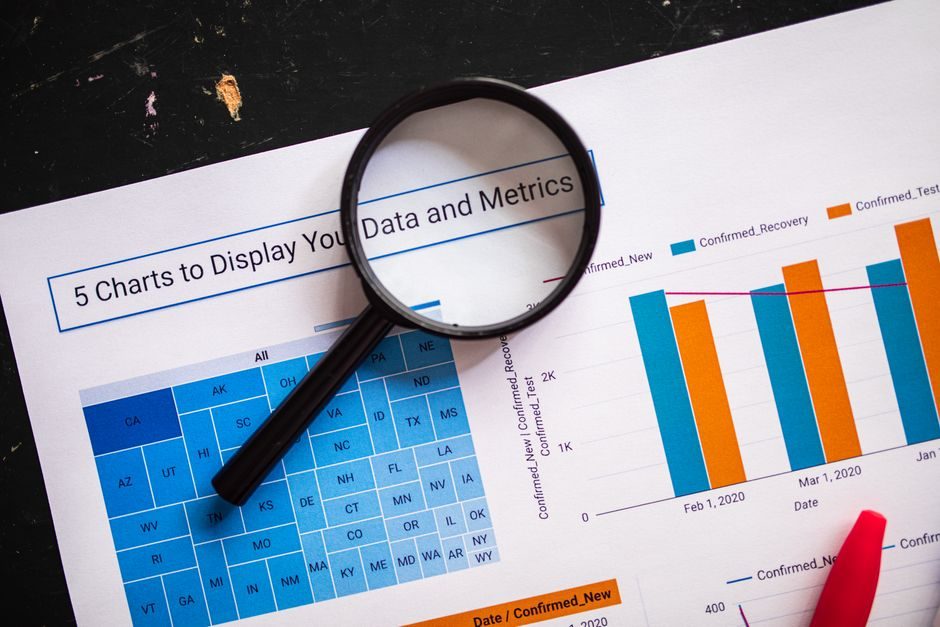
Checking images and video
Visuals can be misleading long before a story is fully understood. Reverse image searches help confirm where media originated and whether it’s been reused. Context matters: an image from one event may misrepresent another.
- Use reputable fact-checking sites for reference
- Cross-verify with official releases
- Document your verification steps
Use timestamp metadata, geographic cues, and corroborating footage from other outlets to build a fuller picture. If sources disagree on a visual, treat the discrepancy as a flag for deeper reporting.
Explain the limitations of digital tools and avoid overreliance on any single method. Verification is a layered process that combines tools with human judgment.
- Use reverse image search for originals
- Cross-check with other footage
- Note metadata and timestamps
- Be transparent about tool limitations
- Combine automation with human review
Reporting differences across outlets
Variation in framing and emphasis
Different outlets choose angles that reflect audience expectations and editorial lines. A single event can be described with emphasis on policy, human impact, or political context depending on the outlet. Readers benefit from seeing multiple frames to avoid a narrow view.
Identify the angle each outlet chooses and compare how facts are presented. Note what is included, what is missing, and how emphasis shifts the story’s meaning. This awareness helps readers judge credibility.
This is not about bias alone; it’s about recognizing editorial choices and how they affect interpretation. State clearly when coverage lacks context or relies on official summaries with little scrutiny.
- Compare framing across outlets
- Look for what is included or omitted
- Note sourcing differences
- Evaluate how headlines frame the issue
- Seek independent corroboration
Impact of US events on global audience

How US news travels worldwide
US events often ripple across markets, diplomacy, and public opinion far beyond its borders. International readers track implications for trade, security, and foreign policy. The global reader benefits when US coverage clearly links domestic events to wider consequences.
- Clarify how policy shifts affect other countries
- Show timeline of potential outcomes
- Identify key stakeholders worldwide
Reporters should explain mechanisms—sanctions, treaties, or aid decisions—so audiences understand why a US development matters elsewhere. Use plain language to translate legal or procedural steps into practical effects. Concrete examples help readers connect distant news to their own lives.
Avoid assuming universal relevance; distinguish events with broad international impact from those with niche or domestic relevance. When a US issue has little global effect, explain the reasons for limited reach and what to watch for next.
- Explain international implications
- Translate policy language into everyday terms
- Provide concrete examples of impact
- Clarify the degree of global relevance
- Offer follow-up on developing outcomes
Frequently asked questions
What is the best way to verify a breaking news claim quickly?Prioritize official statements, corroboration from multiple outlets, and any available primary documents. State what is known and what remains uncertain if verification is ongoing. This method keeps readers informed without overstating conclusions.
How can I recognize biased framing without reading every article?Look for consistent adjectives, the selection of quotes, and whether multiple viewpoints are presented. If a single frame dominates across several pieces, seek alternative sources or summaries that offer counterpoints.
Why should I follow international outlets when US events are domestic?US developments often affect global markets, security, and diplomacy. International reporting can reveal these ripple effects and offer perspectives not covered by a single national outlet.
What counts as reliable context for a developing story?Context includes timelines, official documents, expert analyses, and historical background. Reliable context clarifies what is changing, why it matters, and what might come next.
Next steps for informed readers
Keep a habit of checking multiple sources when a US story breaks, and monitor updates as details sharpen.

Add Pakistan News as a preferred source on Google


