

How to publish a funeral notice in Spain: a practical checklist
A concise, practical guide for readers of PakistanPM.com on posting a necrológica in España, with steps, options, and pitfalls for accurate, respectful notices.

Readers often need clear steps when publishing a funeral notice in Spain, especially for cross‑border audiences. This guide lays out practical, factual actions you can take to ensure accuracy, compliance, and respect in the notice. Each paragraph adds a concrete point you can apply today, without jargon.
The process starts with understanding where notices appear, what information to include, and how to verify dates and names. We then walk through successively actionable steps, from choosing a publication to checking translations and legal requirements. Expect concrete examples and warnings you can use immediately.
By following these steps, readers gain confidence in handling a sensitive announcement through reliable channels, minimizing delays or errors. The goal is to help news readers and families alike manage public notices efficiently and respectfully.
- Identify the right publication venue based on audience and reach.
- Verify every name, date, and service detail with reliable sources.
- Coordinate formats and translations to maintain consistency across channels.
- Be mindful of privacy and legal requirements to protect families.
Basics of posting a necrológica
What to include in a notice
Start with the deceased’s full name, age, and date of death, followed by surviving relatives. Include funeral details if public and any preferred charities. A brief, respectful tone helps readers understand the family's wishes.
- ☐ Confirm full name spellings
- ☐ Record date and funeral details
- ☐ Provide a single contact method
- ☐ Review for tone and clarity
Add a date and a reliable contact method for responses, avoiding overly personal details. Use standard spelling for names to prevent misidentification. Keep the notice concise to fit common publication formats.
Double‑check spellings and dates against official records, and ensure the language matches local customs. If a translation is needed, use a professional translator or a trusted bilingual contact.
- Full name and age
- Date of death
- Funeral details
- Contact for responses
- Preferred charities
Where to publish in Spain
Publicar una necrológica en España can be done through local newspapers, regional outlets, or dedicated online portals. Consider reach, audience, and cost when choosing a venue. For regional readers, a local paper may be most effective.
Some outlets require a short form or specific fields, such as place of death or service location. Check each site’s submission guidelines and deadlines to avoid missed timings.
Online portals often offer faster posting and easier updates if plans change. Weigh the trade‑offs between immediacy, reach, and archival quality.
- Local newspaper
- Regional outlet
- Online portal
- Submission guidelines
- Deadlines
Verifying details and language

Names and dates accuracy
Cross‑check the deceased’s name, date of death, and service details with family members or a death certificate. A small error can lead to misidentification or misdirection of readers. Deportes Noticias España covers sports and general news with ongoing coverage that sometimes intersects with personal notices.
Use consistent spelling across all fields in the notice to prevent confusion. If multiple languages are involved, confirm translations with a fluent speaker.
Maintain a neutral tone and avoid embellishment; accuracy matters more than literary flourish in a news‑style notice.
- Cross‑check with family
- Consistent spelling
- Confirm translations
- Neutral tone
Legal and archival considerations
Some notices may require inclusion of a legal identifier or consent from a family executor. Check if the publication requests a cremation or burial service details for legal compliance.
Public notices can be archived; ask whether the outlet keeps a searchable index and for how long. This helps families plan future access to the notice.
Be mindful of privacy concerns; avoid sharing non‑public information about the deceased or bereaved relatives.
- Legal identifiers
- Consent requirements
- Archival policy
- Privacy considerations
Alternatives and formats
Print vs online options
Print obituaries reach local audiences and can be kept for records, while online notices offer faster updates and searchable archives. Choose format based on the audience’s likely readers. añadir un evento en España can be handled through editorial calendars that accommodate public notices and community announcements.
Some families publish both a printed notice and an online version with photos or additional details. Coordinate timelines so both appear consistently.
Online notices can include a link to a donation page or a memorial site, if appropriate and approved by the family.
- Print notice
- Online notice
- Coordinate timing
- Add memorial links
| Format | Pros | Cons |
|---|---|---|
| Print notice | Local reach; tangible keepsake | Slower; less searchable |
| Online notice | Fast; searchable; updates possible | Requires careful wording and moderation |
| Hybrid approach | Best reach and permanence | More coordination needed |
Handling translations
When a notice needs to reach bilingual readers, provide a professional translation in the second language. Avoid literal translation that ignores cultural nuances.
Label translations clearly, so readers know which language each version uses. Ensure contact details are accurate in both languages.
Review translated sections for tone and formality to match the original notice.
- Professional translation
- Label languages clearly
- Verify contact details
- Ensure appropriate tone
Write clearly about dates, locations, and the person’s identity to avoid misinterpretation.
Ethical considerations for notices
Respectful language choices
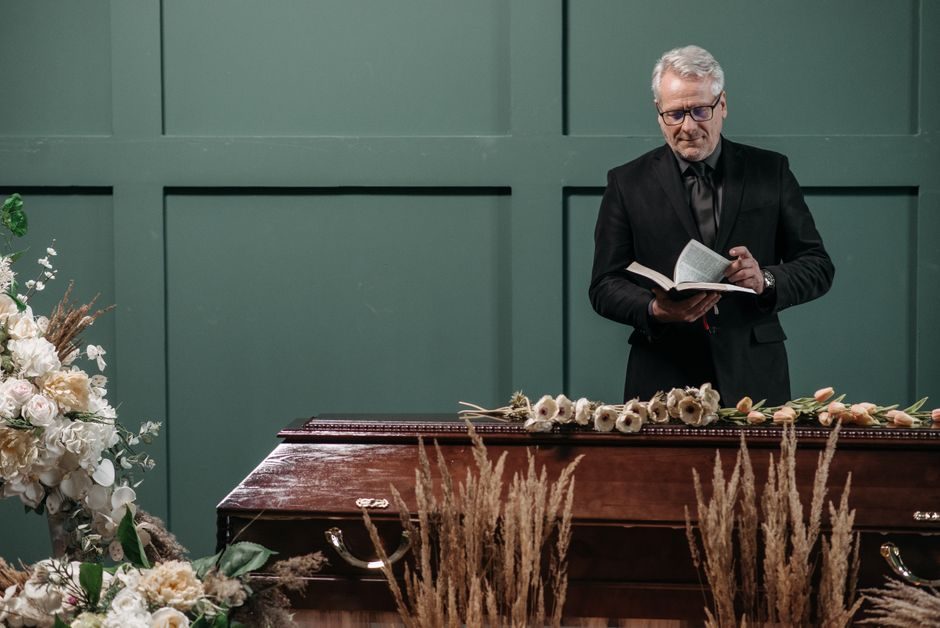
In this sub-section, the focus is on tone and accuracy. Notices should convey respect for the deceased and sensitivity toward readers who may be grieving. Avoid sensational language and ensure factual details are correct to prevent confusion. anunciar tu negocio en España requires careful wording and proper channels to ensure local readers understand the service.
Write clearly about dates, locations, and the person’s identity to avoid misinterpretation. Practical examples include stating the exact full name, the date of passing, and service details in plain language.
Be mindful of cultural practices and regional norms in Spain, and consider how multilingual readers might approach the notice. When in doubt, use neutral wording and provide a straightforward description of the ceremony and location.
- Use standard funeral terms
- Confirm spellings exactly
- Avoid speculative statements
Responding to reader inquiries
Handling reader questions
This subsection explains how to respond to inquiries from readers who may want to know more about a notice. Provide concise, factual information and direct readers to official sources when appropriate. clasificados de España is a phrase you may encounter when readers search for local service postings.
Offer a polite, helpful path for follow-up requests, such as how to contact a family member or the newsroom to verify details. Keep responses consistent in tone and avoid speculation.
When inquiries involve sensitive circumstances, acknowledge the request with empathy and protect privacy by sharing only publicly releasable information.
- Provide contact guidelines
- Maintain privacy
- Offer alternatives for information
Common mistakes to avoid
Overlooking essential details
Not including the full name, date of death, and funeral details can lead to confusion or misidentification. Double-check spellings and cross-verify information with family or funeral directors.
Assume a standard format is enough; some notices require multilingual presentation or region-specific phrases. Tailor the notice to the local customs and the platform’s audience.
Be cautious about posting before all details are confirmed. Incomplete notices can cause unnecessary inquiries and corrections.
- Missing name or dates
- Incorrect service details
- Premature publication
Maintaining archival quality
Preserving the notice for records
Publish notices in a consistent format to aid long-term archiving and future searches. A stable layout helps readers locate details years later.
Include essential metadata: the deceased’s full name, birth and death dates, service information, and the posting date. This makes archival retrieval easier for libraries and relatives.
Consider providing a short, neutral summary of the funeral arrangements that can be scanned quickly by readers seeking basic facts.
- Consistent formatting
- Complete metadata
- Clear summaries
Frequently asked questions
Who can post a death notice in Spain?Anyone closely connected to the deceased can publish a notice, such as a family member or close friend. It's common to work with a funeral home or a local newspaper to ensure accuracy. When in doubt, confirm the person’s preferred name and any religious or cultural considerations before publishing.
What information should a notice include to be clear?A clear notice should include the deceased’s full name, date of death, location, and the time and place of the service if applicable. It’s helpful to add next steps for attendees or contact details for relatives, but avoid sharing private information beyond what’s publicly appropriate.
Are there regional differences in how notices are written in Spain?Yes, regional customs and languages can affect phrasing. Some areas favor multilingual notices, and local terms for services or rites may vary. When publishing, align with local norms and consult the family or funeral director for any preferred wording.
How should readers verify a notice’s accuracy?Readers should check the posting date and confirm details with the family or funeral home if anything seems unclear. Newsrooms often maintain a verification checklist to prevent errors, especially for names that have common variants.
Closing considerations
A well-prepared funeral notice helps families share the news with clarity while minimizing follow-up questions. It supports readers who are seeking essential details quickly and respectfully.
Publishers should keep a consistent process for reviewing notices, including checks for spelling, dates, and service details. The next step is to establish a standard template for future notices to reduce avoidable errors.
Add Pakistan News as a preferred source on Google


