

How to promote your event effectively in Aberdeen
A concise, practical guide for promoting events in Aberdeen with clear steps, realistic tips, and common pitfalls to avoid.

Promoting an event in Aberdeen starts with clear goals and a realistic plan. This guide offers practical steps any organizer can follow, from defining the audience to choosing the right channels. You’ll find concrete actions you can take today to raise awareness and improve attendance.
Begin with a simple audience map and a realistic timeline. Then align your message to local interests and media outlets that routinely cover community events. The aim is steady momentum rather than a single, high-spike push.
Finally, use a light, repeatable cadence: an initial announcement, reminders as the event nears, and a brief post-event recap. This keeps the event relevant to readers without overpromising results.
- Define clear goals and a realistic plan for promoting events in Aberdeen.
- Choose media channels that match local habits and provide practical, factual information.
- Use partnerships and on-the-ground promotion to maximize reach and credibility.
- Monitor results regularly and adapt messaging to local interests without overstating impact.
Foundations of promoting your event
Set clear objectives
Start with one or two measurable goals, such as registrations or attendance. Define your audience and what a successful outcome looks like. This helps you tailor messages and choose the right channels. promote your event in Aberdeen is easiest when you start with a local, clear plan that fits Aberdeen readers.
- Define target attendees
- Decide success metrics
- Choose primary channel
- Set a realistic timeline
- Confirm budget limits
Define the core message
Craft a concise value proposition that answers why someone should attend. Include the who, what, where, and when in a single sentence. Keep the tone aligned with local news values of relevance and practicality.
Choosing the right channels

Local media and listings
Identify which Aberdeen outlets regularly cover community events. Draft a short, factual pitch tailored to each outlet's audience. Send timely releases and offer interview opportunities. latest news Aberdeen covers events that affect the community and local readers expect practical information.
- Local newspapers
- Radio segments
- Community calendars
Digital channels for reach
Create a simple event page with essential details and a clear RSVP flow. Use social posts that tell a story about the event and local relevance. Monitor engagement and adjust timing if posts underperform.
- Event page with RSVP
- Scheduled posts
- Engagement tracking
On-the-ground promotion
Partnerships and presence
Collaborate with local venues, schools, or charities to widen reach. Co-hosts can share audiences and credibility. Ensure partnerships align with your event goals. business directory in Aberdeen can host event listings that reach professionals and local businesses.
- Identify potential partners
- Draft a mutual benefit plan
- Coordinate promotions
- Confirm collaboration terms
- Venue partnerships
- Community groups
- Local sponsors
| Option | Pros | Cons |
|---|---|---|
| Press releases | Trusted by editors; quick to publish | Limited reach; deadlines can delay timing |
| Event listings | Easy visibility; low effort | Static impact; relies on reader action |
| Social posts | Engagement potential; flexible | Requires consistent posting; algorithm changes |
In-person reminders
Use short, timely reminders as the event nears. Flyers or QR codes at relevant local spots can drive last-minute registrations. Maintain a calm, fact-based tone.
- Flyers in cafes
- QR codes on posters
- Short reminders close to date
Measuring and adjusting
Track basic outcomes
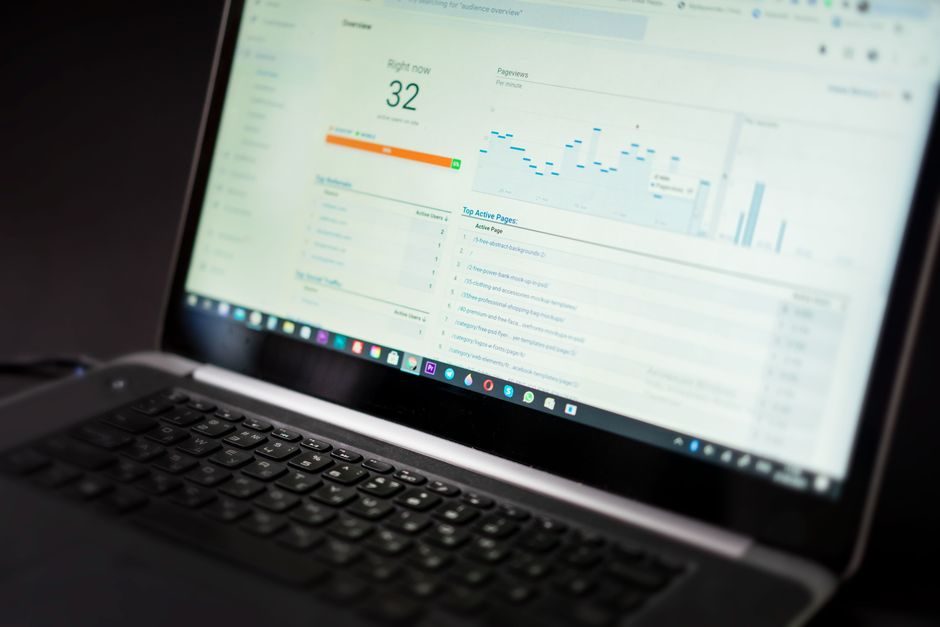
Keep a simple log of reach, clicks, and registrations. Compare early versus late channels to see where effort pays off. Use these findings to refine ongoing promotion. sell second-hand items in Aberdeen is not directly about events, but community boards and classifieds can distribute related notices.
- Registrations
- Event page visits
- Publicity mentions
Refine in real time
If initial messaging isn’t resonating, adjust the emphasis or the timing. Small wording changes can improve comprehension and action. Stay aligned with factual, local-interest angles.
Next, run small, low-cost experiments across channels like social posts, local forums, and partner networks.
Advanced tactics for wider reach
Targeted audience testing
Start with a defined audience profile for your event—demographics, interests, and local ties help refine messaging. Use lightweight surveys or quick interviews to validate who would attend. Adjust your language and visuals to match what this group cares about, not what you assume. This step prevents wasted effort on channels that don’t resonate. place an obituary in Aberdeen
Next, run small, low-cost experiments across channels like social posts, local forums, and partner networks. Track which messages perform best in simple terms: clicks, saves, or responses. Roll the best-performing approach into a larger push without overhauling your entire plan.
Finally, build a simple content calendar that aligns when your audience is most active and receptive. Schedule posts for evenings and weekends if your event suits working locals. Use a consistent voice to reinforce recognition and trust.
- Define your audience clearly
- Test two messages in two channels
- Track basic outcomes: interest and actions
- Scale the winning message gradually
Community feedback and ethics

Respectful outreach practices
Engage with local groups and leaders before you publish broad appeals. Explain the event’s purpose and how it benefits the community. Clear, respectful requests for attendance help build trust and reduce pushback.
Offer accessible options such as captions, translations, or alternative formats to widen participation. Acknowledge feedback publicly and adjust details when reasonable. This demonstrates responsibility rather than chasing readers.
Provide an opt-out path for readers who are not interested in future messages. Respecting preferences maintains credibility and reduces complaints.
- Reach out to community contacts first
- Provide accessible options
- Acknowledge and act on feedback
- Maintain opt-out choices
Crisis planning and response
Dealing with misinformation
Misinformation can derail a launch. Prepare a short, clear FAQ that covers common myths and explains how to verify event details. Publish this FAQ alongside official information to guide readers calmly.
- ☐ Prepare a concise event FAQ.
- ☐ Set rules for updates and corrections.
- ☐ Designate a single spokesperson.
- ☐ Post changes through official channels/paths.
If rumors arise, respond quickly with precise facts and cite your sources. A measured tone helps prevent escalation and preserves trust. Avoid engaging in online quarrels; redirect to official updates.
Have a contingency plan for postponement or cancellation and communicate it promptly. A trustworthy process reduces confusion and protects your brand’s reliability.
- Publish a clear FAQ
- Cite official sources
- Stay calm and factual
- Have a plan for changes
Final practical tips

On-ground engagement tactics
Provide clear directions and accessible entry points for in-person or hybrid events. Simple signage and friendly staff reduce friction and improve attendee experience. Use real-time updates at the venue to manage crowd flow and information.
- Know your audience and test messages
- Respect community norms and feedback
- Plan for misinformation and changes
- Make operations smooth and visible
Coordinate with nearby businesses for cross-promotions such as discounts or joint notices. Local networks amplify reach without heavy spend. Bring printed materials for people who prefer offline references.
Track practical metrics like attendance, queue times, and feedback cards. Use this data to refine future events and demonstrate value to sponsors or partners.
- Offer clear wayfinding
- Leverage local partnerships
- Collect practical feedback
- Refine for next time
Frequently asked questions
What counts as a successful promotionA successful promotion clearly communicates the event’s purpose and draws a reliable audience. Success isn’t just high reach; it’s meaningful actions, such as sign-ups, inquiries, or informed attendance. Track these indicators alongside reach for a balanced view.
How far in advance should I promote an eventPromotions work best when they begin several weeks ahead of the event. Early notices allow people to plan and share details with others. Maintain regular updates that respond to questions and evolving plans.
Should I use paid advertisingPaid ads can extend reach, but they should be proportionate to the event size and goal. Combine with organic methods like community partnerships and local media to build credibility. Always measure return against simple benchmarks.
How do I handle last-minute changesCommunicate changes promptly through official channels and repeat the core details in plain language. Provide a clear substitute plan if attendance shifts. A calm, direct approach reduces confusion.
Conclusion
Promoting an event effectively relies on understanding your audience, respecting community norms, and executing with clarity. Start with small tests, then scale the approaches that work best in Aberdeen’s local context. The goal is steady progress, not a single viral post.
Coordinate responsibilities, set deadlines, and keep updates transparent. The next step is to map promotion tasks to a simple calendar and assign a point person for questions. With discipline, the process becomes easier to repeat for future events.
Add Pakistan News as a preferred source on Google


