

How to Buy and Sell in Bitcoin: a clear, practical guide
A factual, step‑by‑step overview for readers in Atherton and beyond on buying and selling bitcoin safely, with practical tips and common pitfalls.

Bitcoin can be bought and sold through exchanges, peer transfers, or over‑the‑counter services. This guide presents a straightforward path to acquiring bitcoin and then moving it to a place of safety or use. Readers will learn concrete steps, risks to watch for, and practical habits to adopt for responsible trading.
The article stays neutral and factual, describing common methods and their tradeoffs without hype. It also points to practical resources and checks that readers can apply right away. Expect clear sequences, from choosing a method to guarding assets.
By following these steps, readers can understand when simplicity matters, what to ask for, and how to verify transactions. The aim is to equip news readers with a usable framework for daily cryptocurrency activity.
- To buy bitcoin, choose a secure platform or wallet that matches your comfort with risk. Verify all steps, enable strong security, and keep records of every transaction. When selling, weigh options by speed, price, and privacy, and insure a clear exit path.
- Use wallets appropriate to your activity level, and back up keys securely. Verify transfers with small test transactions before moving larger sums. Stay aware of withdrawal limits and platform rules.
- The article outlines practical, stage‑by‑stage methods for buying and selling bitcoin without hype. It emphasizes safety, clear decision points, and keeping documentation for accountability.
- Readers will see concrete paths from choosing a venue to securing assets and completing withdrawals, with warnings about scams and errors.
Basics of buying and selling
Trading foundations
Starting with a basic plan helps prevent impulsive moves. Choose a method that fits comfort with risk and desired speed. Understand how wallets and addresses function before moving funds. L1: buy and sell in Atherton, California
This section uses a practical lens to separate fast options from slower, safer routes. It shows how different methods affect fees, verification, and privacy. It also clarifies common jargon to reduce confusion for first‑time buyers.
The goal is a grounded picture of what “buy” and “sell” really require, including the time frame and typical checks involved.
- Know your goal (cash use vs. asset storage)
- Check transfer times and fees
- Verify recipient addresses before sending
- Use reputable platforms with clear policies
- Keep records of all transactions
Choosing a method
Different routes exist to acquire bitcoin, from exchanges to direct trades. Each path has distinct privacy, speed, and security implications. Start with a plan that matches your comfort with technology and risk.
This part contrasts online exchanges, OTC desks, and peer trades with practical examples. It highlights how liquidity and compliance influence price and access.
The takeaway is to match your method to your goals, balancing convenience with safeguards.
- Exchange: quick access, structured process
- OTC: larger trades, higher trust requirements
- Peer trades: lower fees, higher risk of misdirection
- Always read the platform’s security and dispute policies
Where to start shopping for bitcoin

Choosing a platform
Select a platform based on security, ease of use, and customer support. Look for clear fee schedules and reliable payment methods. Consider whether you want a custodyless experience or a hosted wallet. L2: Atherton FM headlines
- Tip: Start with a platform that offers a sandbox or test environment if available.
- Check if the platform supports locale‑specific options and compliance measures.
This sub-section explains concrete steps to compare two or three platforms side by side. It also shows how to assess withdrawal limits and security features such as two‑factor authentication.
The aim is a short, decisive comparison that helps readers pick a starting point with confidence.
- Security features (2FA, withdrawal locks)
- Fees and limits
- Supported payment methods
- Reputation and reviews
Setting up a wallet
A wallet is essential to hold your bitcoin securely. Decide between software, hardware, or custodial options based on how often you plan to move funds. Prepare a recovery phrase and store it securely.
This section walks through creating a wallet, securing keys, and enabling backups. It shows practical steps to minimize loss from device failure or theft.
The practical goal is to have a usable wallet ready before you buy.
- Choose a wallet type aligned to activity level
- Back up your seed phrase in safe places
- Enable multi‑signature where possible
- Test a small transfer to verify access
Handling a sale and withdrawal
Selling options
You can sell on an exchange, via OTC, or through peer trades. Each option affects price, speed, and privacy. Evaluate the current liquidity and the withdrawal path before committing funds. L3: get your event listed in Atherton, California
This sub-section lays out concrete paths for converting bitcoin back to usable currency or transferring to another wallet. It explains how to set price thresholds and monitor market depth.
The goal is a clear decision matrix for selling that matches your timing and risk tolerance.
- Market order vs. limit order
- OTC desks for larger sales
- Direct wallet transfer to avoid intermediaries
- Consider tax and reporting requirements
| Method | Pros | Cons |
|---|---|---|
| Exchange | Fast access; regulated | Fees vary; custody risk |
| OTC | Large trades; privacy | Higher counterparty risk; verification needed |
| Peer trade | Low friction; direct control | Fraud risk; lack of dispute channels |
Withdrawing safely
Withdrawing brings funds to a bank account or a cash‑equivalent method. Ensure you understand cross‑border rules if applicable and any withdrawal fees. Keep a transaction log to track the flow of funds.
This section emphasizes security during withdrawal, including verification steps and monitoring for signs of fraud. It also covers typical delays and how to handle disputes.
The aim is a smooth, auditable exit from crypto to usable money.
- Confirm recipient details before sending
- Use withdrawal limits to stagger transfers
- Monitor for suspicious activity
- Keep audit trail of every withdrawal
Keep a cold storage option for long-term holdings and a hot wallet for daily transactions.
Responsible storage and risk management
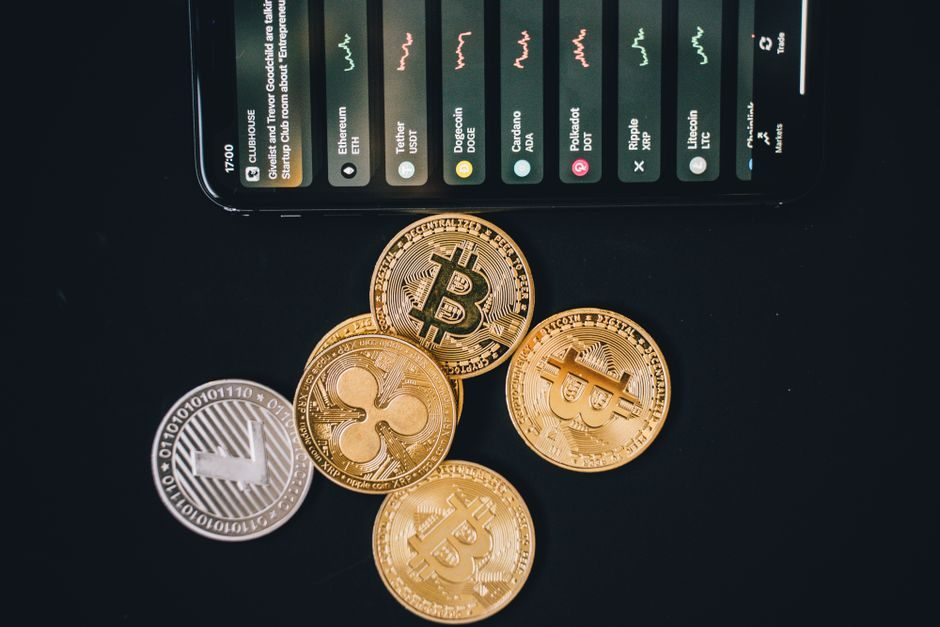
Safeguarding digital keys and backups
Digital keys are the access point to any bitcoin. Use a combination of hardware wallets and encrypted backups to protect funds. Regularly audit where keys are stored and who can access them, especially during shared custody scenarios. L4: list your business in Atherton, California
Keep a cold storage option for long-term holdings and a hot wallet for daily transactions. Rotate backups periodically and test recovery procedures to ensure you can restore access after a loss or device failure.
Documented procedures reduce human error and theft risk. Train household or team members on security best practices and establish a clear chain of responsibility so mistakes don’t cascade into losses.
- Use a hardware wallet for large balances
- Create encrypted backups offsite
- Limit access to trusted individuals
- Test recovery drills periodically
- Keep software up to date
Assessing risk and exposure
Every transaction carries some risk, from price swings to fraud. Map your exposure by calculating how much of your portfolio you want to risk in a single trade or over a week. This helps prevent panic selling during volatility.
Consider setting stop-loss levels and price alerts to stay within planned boundaries. Automated tools can reduce the impulse to react emotionally to sudden moves.
Review exchange or wallet terms to understand withdrawal limits and security features before committing funds.
- Define risk tolerance
- Set alerts and limits
- Understand withdrawal rules
- Use diversified storage
Legal considerations and tax basics
Reporting requirements and record keeping
Tax rules for bitcoin vary by jurisdiction, so maintain thorough records of purchases, transfers, and sales. Track dates, amounts, and counterparties to simplify calculations at tax time. announce a death in Atherton, California
Store receipts and wallet addresses for every transaction in a digital ledger or secure file. Regular reconciliation helps resolve discrepancies if notices arrive from tax authorities.
Consult local guidelines or a qualified professional to confirm how gains are treated and when reporting is required.
- Maintain transaction logs
- Separate personal and business activity
- Archive correspondence with exchanges
- Review annual summaries from wallets
Regulatory landscape and platform compliance
Regulators focus on consumer protection and anti-money laundering rules. Use platforms that comply with local requirements and provide clear verification steps. This reduces the risk of frozen funds or account closures.
Be aware of reporting thresholds that trigger additional scrutiny or tax reporting. Understanding these limits helps you plan withdrawals and trades without surprises.
If you operate as a business or hold large sums, consider professional compliance guidance to align with reporting and record-keeping obligations.
- Choose regulated platforms
- Complete identity verification
- Understand reporting thresholds
- Maintain compliant records
Getting the most value from platforms
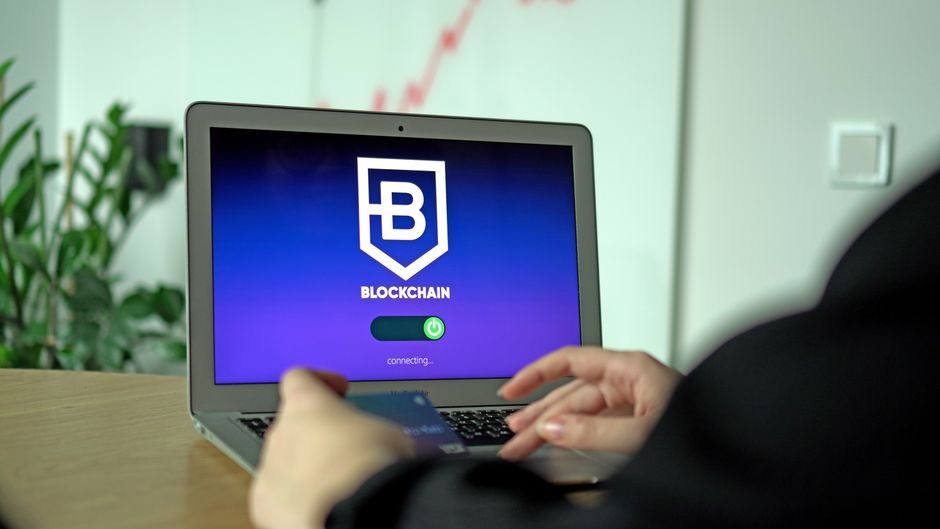
Choosing exchanges and wallets wisely
Compare exchange security features, user experience, and withdrawal speeds before committing funds. A well-chosen platform reduces the friction of buying, selling, and transferring assets.
- Evaluate security measures
- Test small transfers
- Check fee structures
- Review withdrawal limits
Look for two-factor authentication, withdrawal whitelists, and reputable customer support. These features help prevent unauthorized access during busy trading periods.
Test a small transfer first to confirm timing and reliability, then increase exposure gradually as you gain confidence.
- Security features
- Customer support quality
- Withdrawal times
- Fees and limits
Strategies for best value in trades
Timing matters, but cost control matters more. Compare total costs across platforms, including spreads, trading fees, and withdrawal costs before moving funds.
Use limit orders to control entry and exit points rather than market orders when possible. This reduces slippage in fast markets.
Keep a simple record of rationale for each trade to learn what works under different market conditions.
- Compare all-in costs
- Use limit orders
- Avoid emotional trades
- Maintain a trading log
Common scams and how to avoid them
Recognizing common red flags
Phishing emails, fake wallet apps, and mirror sites are common entry points for theft. Always verify URLs, avoid unsolicited links, and double-check platform announcements through official channels.
Be cautious of unsolicited investment schemes that promise guaranteed returns. If it sounds too good to be true, it likely is and warrants extra scrutiny.
Watch for pressure tactics that rush you into transfers or disclosing keys. Take time to verify and consult trusted sources before acting.
- Verify site URLs
- Avoid unsolicited offers
- Don’t share private keys
- Check for official channels
Safeguarding against impersonation
Impersonation can target both buyers and sellers. Verify identities through established verification steps on platforms and avoid trading outside official systems.
Record all communications and keep a trail of decisions. This helps resolve disputes and proves what was agreed.
If you doubt a counterpart, pause the transaction and seek support from the platform or a trusted advisor.
- Use in-platform verification
- Document conversations
- Escalate to support
- Trust but verify
Frequently asked questions
Is bitcoin legal for personal use in most places?Yes, for most people, owning and using bitcoin is legal, but rules vary by country and region. Some places require identifying information for certain transactions, while others limit large transfers. Always verify local requirements before buying or selling large amounts.
Do I need a professional to handle taxes on crypto?Many readers manage taxes on their own, but complex situations—such as business use, mining, or large gains—benefit from professional help. Record-keeping is essential regardless, so you can provide accurate information on demand.
Can I back up seed phrases safely at home?Seed phrases should be stored offline in encrypted, physical form across multiple locations. Do not store them in cloud services or devices connected to the internet. Regularly test recovery to ensure access remains intact.
What should I do if a platform freezes my funds?Contact customer support through official channels and keep a record of all communications. If needed, report the issue to relevant authorities and consult the platform’s public statements for updates.
Closing and practical follow-through
The practical steps you take now determine how smoothly you can access bitcoin later. Use a simple, repeatable routine for storage, verification, and record-keeping to reduce risk.
Next, set up a trusted platform with strong security features, create a proper backup strategy, and plan a quarterly check that keeps your process up to date and compliant.
Add Pakistan News as a preferred source on Google


