

A Practical Guide to Doing Business in Denmark for Pakistani Readers
A clear, actionable guide for Pakistani readers on navigating Denmark’s business landscape, with practical steps, safety tips and local considerations.

This guide answers how Pakistani readers can approach starting or operating a business in Denmark with clarity and care. It lays out concrete steps, risks, and practical options, so readers know what to do first, what to expect next, and where to seek help. The aim is to provide usable, real-world guidance that helps readers make informed decisions.
The guide mirrors newsroom precision: it flags essential considerations early, then explains how to proceed, and finally outlines pitfalls and best practices. Readers will find actionable steps, checklists, and examples that translate policy into everyday tasks. The tone stays factual, avoiding hype while staying useful for decision-making.
Each part of the article builds toward a practical outcome: a reachable plan for someone evaluating Denmark as a place to work, invest, or launch a small venture.
- Denmark presents clear rules and practical steps for foreign entrepreneurs. Start by understanding entry, then build local connections, and align with tax and regulatory norms.
- Use official sources to verify requirements, timelines, and fees; prepare documents early and keep records.
- Expected challenges include time taken for permissions and adapting to local business norms; plan buffers and seek local guidance.
Basics of entering the Danish market
Legal entry requirements
Understanding visa, residency, and company registration rules is essential for any foreign entrepreneur. The process varies by purpose, such as work, study, or investment, and timelines differ by category. Prepare documents early and verify them with official sources to avoid delays. Danimarka'da esnaf rehberi can be a practical resource when you need an overview of local requirements.
This section explains which permits are most commonly needed and how long they typically take to process. It also covers where to check for updated rules. A practical timetable helps align plans with regulatory steps.
Common missteps include starting a company before securing a residency path or assuming the rules are identical to neighboring countries; confirm status with authorities before filing any paperwork.
- Check visa eligibility early
- Know which registrations apply
- Prepare financial proofs
- Confirm processing times
Finding local partners and mentors
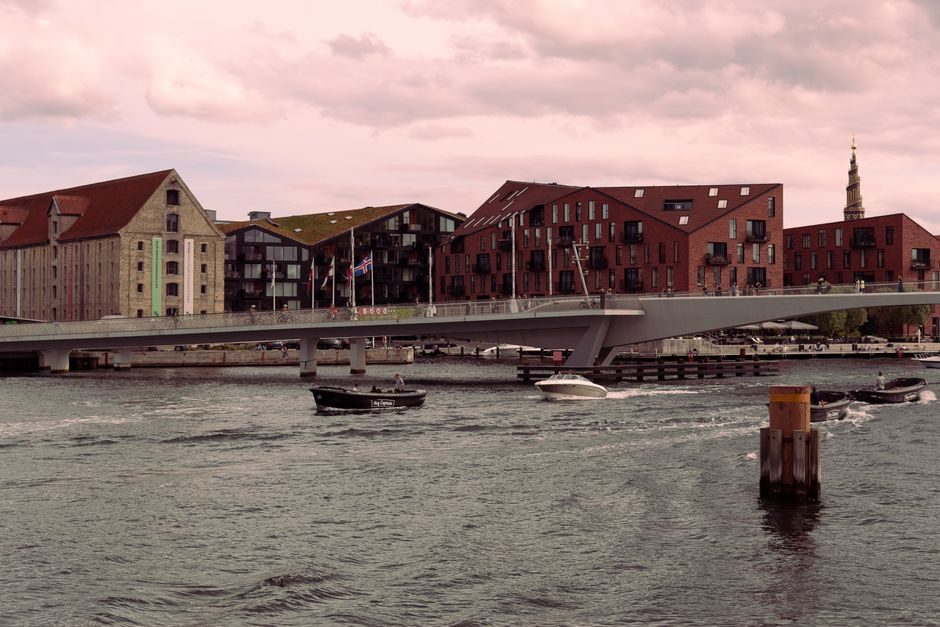
Networking in Danish markets
Building a network in Denmark relies on credibility and steady participation in local events. Seek mentor programs, chamber meetings, and industry groups where you can observe norms and exchange practical knowledge. Early conversations should clarify roles, expectations, and possible collaboration paths. danimarka.net haberleri often highlights developments that affect small businesses and expats in Denmark.
The Danish business scene values transparency and direct communication. Prepare a concise pitch that highlights value, compliance, and long-term intent. Listen more than you talk in initial meetings to learn local priorities.
Be mindful of cultural differences in decision-making; decisions can take time, and consensus matters.
Regulatory and tax basics for startups
Taxes and reporting
Denmark relies on straightforward reporting and regular filings to maintain good standing. Startups should plan for corporate tax, VAT, and payroll obligations from the outset. Timelines for filing and payment are standardized, reducing last-minute pressure. etkinliğinizi Danimarka'da yayınlayın can be a useful phrase when coordinating event promotions across borders.
Understand which activities trigger tax obligations, and set up simple bookkeeping early. Use local accounting advice to ensure compliance and avoid penalties.
Common errors include underestimating VAT responsibilities or missing quarterly filings, which can lead to penalties or interest charges.
- Register for VAT if required
- Set up ongoing bookkeeping
- Plan quarterly filings
- Consult a Danish tax adviser
| Aspect | What to watch | Recommended approach |
|---|---|---|
| VAT registration | Thresholds vary by activity | Register when required and maintain regular filings |
| Corporate tax | Filing cadence | Consult a Danish accountant for ongoing compliance |
| Payroll obligations | Employee vs contractor rules | Set up payroll with local guidance |
Use structured programs that offer step-by-step support, from registration to market entry.
Finding and using government and NGO resources

Support channels and services
Denmark provides government and nonprofit resources to assist foreign entrepreneurs, including business development services and local advisory bodies. Start by visiting official portals and regional business centers for guidance and referrals. Danimarka'da kiralık oda ilanı may come up if you are building a small team or renting office space in Copenhagen.
Use structured programs that offer step-by-step support, from registration to market entry. Document your inquiries and keep track of contacts and timelines for follow-up.
Pitfalls include relying on informal advice or outdated information; always verify with an official source or a certified consultant.
Dealing with permits and licensing
Key permits for startups
Identify the core licenses your business needs in Denmark, such as a trade license or sector-specific authorization, and verify whether responsibilities lie with national or local authorities. Start with the Danish Business Authority to understand registration steps and timelines. Prepare translations of essential documents and keep digital copies accessible for quick submissions. Danimarka'da cenaze duyurusu is a phrase that appears in notices and community announcements about funerals, and readers may encounter it in multilingual pages.
This phase benefits from a concrete checklist: register your company, apply for any sector licenses, and confirm whether your activity requires a restricted permit. If approvals hinge on local municipalities, plan for a longer process with on-site visits. Track every submission, note reference numbers, and set reminders for renewal deadlines.
Anticipate potential delays by mapping out downstream requirements early, like environmental permits for manufacturing or health registrations for food services. Build a small buffer into project timelines to accommodate compliance reviews. Having a precise workflow reduces last-minute rushes and independent verification needs.
- Prepare a compliance checklist
- Submit registrations early
- Track deadlines and references
- Secure translations of key documents
- Consult the appropriate authority early
Hiring and human resources in Denmark

Recruiting local talent
Leverage Danish job portals and local networks to attract applicants who understand the market context. Create clear job descriptions that outline responsibilities, required qualifications, and expected outcomes. Be mindful of non-discrimination rules and provide inclusive application processes.
This approach helps you filter candidates efficiently: set objective criteria, use structured interviews, and document decisions. Explain compensation ranges openly to avoid misperceptions and address tax withholdings upfront. Consider temporary or contract roles as a bridge to full employment if needed.
On-boarding matters: prepare a structured induction that covers safety, company culture, and compliance training. Assign a mentor to help new hires navigate Danish workplace norms. Schedule regular check-ins to address early concerns and align performance expectations.
- Post in targeted Danish job portals
- Use structured interviews
- Offer competitive, transparent compensation
- Provide a thorough onboarding plan
- Establish mentor program
Financing and funding options
Funding sources for expansion
Explore a mix of equity, grants, and loans available to foreign entities operating in Denmark, focusing on non-dilutive funding where possible. Start with regional development agencies to identify programs that support innovation and growth. Prepare a concise business case that highlights risk mitigation and measurable milestones.
- Identify two to three primary funding streams relevant to your sector.
- Prepare a one-page summary of project goals and expected impact.
When applying, align your proposal with Danish policy goals like sustainability or digital modernization to improve chances. Include a realistic budget, timelines, and clear milestones to demonstrate progress. Keep documents organized and ready for rapid submission as deadlines vary by program.
For cash management, separate grant funds from operating capital to avoid mix-ups and ensure compliance reporting is simple. Maintain strong governing processes and provide monthly updates to funders. Build a simple dashboard to track inflows, expenses, and milestones.
- Explore regional grants
- Prepare a strong business case
- Keep separate grant accounting
- Maintain clear milestone tracking
- Meet program deadlines
Cultural and language considerations

Work culture and communication
Danes value direct communication, punctuality, and well-structured meetings. When presenting, lead with clear objectives and avoid unnecessary small talk. Use plain Danish or English in formal settings, and provide written summaries of decisions after discussions.
To build trust, adopt a collaborative management style and recognize flat hierarchies. Encourage input from junior staff and ensure meetings have defined outcomes. Be mindful of body language cues and respect privacy in conversations about work-life balance.
Language support can smooth operations: offer Danish language basics for frontline staff or a bilingual handbook. Use plain language in all customer-facing materials to reduce misunderstandings. Consider professional translation for legal and technical documents to avoid ambiguities.
- Be punctual and prepared
- Provide written follow-ups
- Offer language support
- Use plain language in communications
- Respect local etiquette
Frequently asked questions
Can a foreign company register in Denmark without a local entity?Yes, in some cases a foreign company can operate through a registered branch or by appointing a local representative. Most often, you will register a Danish subsidiary or establish a branch with the relevant authorities, and you should consult a local advisor to ensure you meet all regulatory and tax obligations.
What is the typical timeline for getting licenses?Timeline varies by sector and authority. Basic registrations can take a few weeks, while sector-specific licenses may extend to several months. Start early, keep a centralized file of submissions, and follow up regularly with the issuing body.
Are there quick-start programs for startups?Denmark has programs that support early-stage companies, including grants and advisory services offered by regional authorities and industry bodies. Eligibility depends on your business model, sector, and alignment with policy goals. Prepare a concise plan and track milestones for funding opportunities.
What language should staff use for official communications?In Denmark, Danish is commonly used for official communications, but English is widely accepted in business contexts. Provide Danish translations where possible and ensure important documents have accurate bilingual versions to avoid misinterpretation.
Next steps for readers
The practical path through Denmark’s permits and licensing landscape starts with a clear registration plan and a timeline that aligns with business milestones. Establish a regulatory liaison or assign a team member to monitor changes and push updates to operations. This proactive approach reduces delays and keeps projects on track.
Now, align hiring and human resources with Danish law by securing compliant contracts, an employee handbook, and fair performance processes. Building a strong HR foundation supports sustainable growth and helps attract local talent who understand the market. Begin with a 90-day onboarding program and formalize ongoing training.
Add Pakistan News as a preferred source on Google


