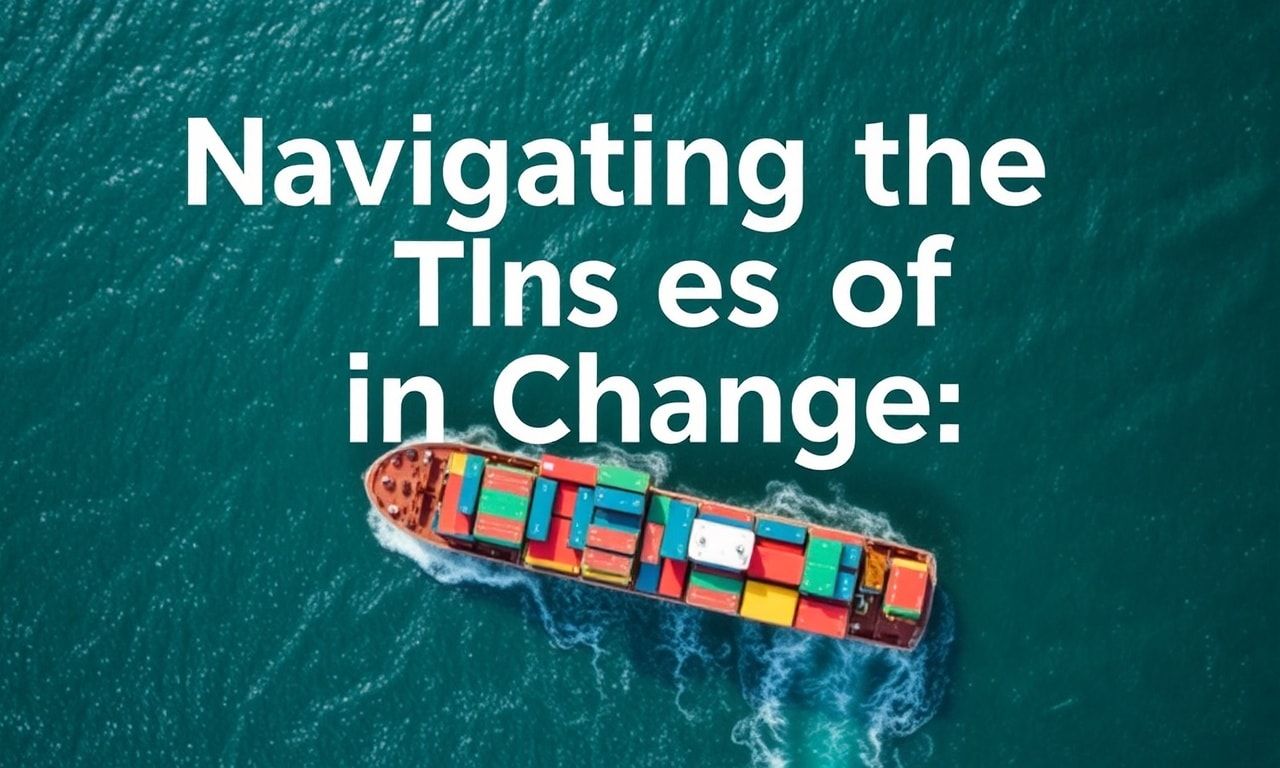
The Evolving Landscape of Maritime Trade
The maritime industry is undergoing significant transformations, driven by technological advancements, environmental concerns, and shifting global trade dynamics. As nations strive to balance economic growth with sustainability, the maritime sector finds itself at the forefront of innovation and adaptation. This article explores the current trends and future prospects of maritime trade, highlighting key developments and their implications.
Technological Innovations in Shipping
One of the most notable trends in the maritime industry is the rapid adoption of technological innovations. Automation and digitalization are revolutionizing shipping operations, enhancing efficiency, and reducing human error. Smart ships equipped with advanced sensors and AI-driven systems are becoming more common, allowing for real-time monitoring and predictive maintenance. Additionally, the integration of blockchain technology is streamlining supply chain management, ensuring transparency and security in maritime trade transactions.
Another area of innovation is the development of alternative fuels. As the world grapples with climate change, the maritime industry is exploring greener alternatives to traditional fossil fuels. Liquefied Natural Gas (LNG), hydrogen, and ammonia are among the promising options being tested. These advancements are crucial for reducing the carbon footprint of shipping, which accounts for a significant portion of global greenhouse gas emissions.
The Impact of Geopolitical Shifts
Geopolitical factors also play a pivotal role in shaping the maritime trade landscape. The ongoing trade tensions between major economies, such as the United States and China, have led to shifts in trade routes and logistics strategies. Countries are increasingly looking to diversify their trade partners and invest in regional trade agreements to mitigate risks associated with global trade disruptions.
The rise of new economic powers, particularly in Asia, has further altered the dynamics of maritime trade. Countries like India, Vietnam, and Indonesia are emerging as key players in global trade, driving demand for maritime services and infrastructure. This shift is prompting shipping companies to adapt their strategies to cater to the evolving needs of these markets.
Sustainability and Environmental Regulations
Environmental sustainability is a critical focus area for the maritime industry. The International Maritime Organization (IMO) has set ambitious targets to reduce greenhouse gas emissions from ships by 50% by 2050. In response, shipping companies are investing in cleaner technologies and adopting more sustainable practices. The use of scrubbers to reduce sulfur emissions and the implementation of slow steaming to conserve fuel are among the measures being taken to meet regulatory requirements.
Moreover, the maritime industry is exploring ways to minimize its impact on marine ecosystems. Efforts to reduce underwater noise pollution, prevent oil spills, and protect marine biodiversity are gaining traction. Collaborative initiatives between governments, industry stakeholders, and environmental organizations are crucial for achieving these goals and ensuring the long-term sustainability of maritime trade.
The Role of Regional News in Maritime Awareness
Staying informed about regional maritime developments is essential for industry stakeholders. Local news outlets play a vital role in providing timely and relevant information on maritime activities. For instance, Duxbury boating news offers insights into regional boating and maritime events, helping residents and businesses stay updated on local happenings. Such regional news sources are invaluable for understanding the nuances of maritime trade and its impact on local economies.
The Future of Maritime Trade
The future of maritime trade is poised for significant growth and transformation. The increasing demand for goods and services, coupled with advancements in technology and sustainability efforts, will shape the industry’s trajectory. As the world becomes more interconnected, the maritime sector will continue to play a crucial role in facilitating global trade and economic development.
In conclusion, the maritime industry is navigating a complex landscape of technological, geopolitical, and environmental challenges. By embracing innovation, adapting to changing trade dynamics, and prioritizing sustainability, the maritime sector can chart a course towards a prosperous and resilient future. As stakeholders collaborate and invest in sustainable practices, the industry will be better equipped to meet the demands of a rapidly evolving global economy.