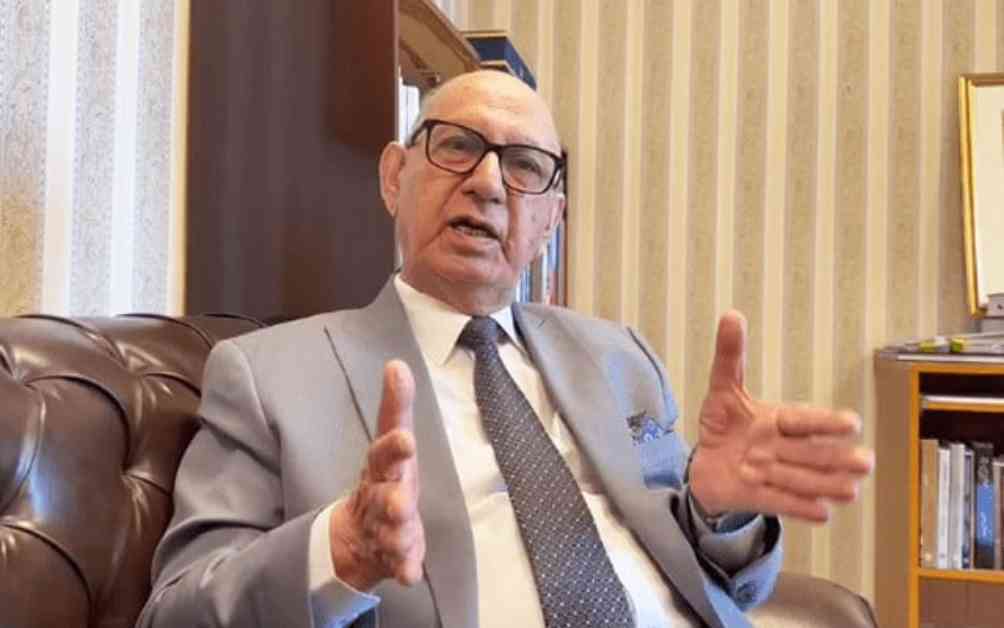
Pakistan Tehreek-e-Insaf (PTI) Introduces New Demands in Political Talks, Raising Concerns: Irfan Siddiqui
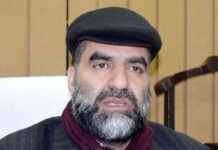
Pakistan Tehreek-e-Insaf (PTI) has thrown a curveball in the ongoing political negotiations by introducing new demands, sparking worries from Pakistan Muslim League-Nawaz (PML-N) Senator Irfan Siddiqui about the direction of the talks aimed at resolving the country’s political tensions.
Concerns were raised as PTI’s demands now include the release of Imran Khan via executive order and the involvement of “real decision-makers” in the government talks. This shift in stance has left Siddiqui questioning the progress made during earlier negotiations and the potential impact on the overall dialogue process.
Consensus was initially reached between the coalition government and PTI on two core demands during the first round of talks on December 23, 2024: the release of political prisoners and a judicial probe into specific events. However, the addition of these new conditions has not been well received by government representatives.
### PTI’s Shifting Stance Draws Criticism
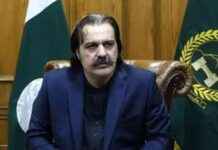
Senator Siddiqui highlighted the lack of formal submission of demands by PTI despite earlier assurances. He pointed out recent comments by PTI senior leader Asad Qaiser advocating for the involvement of key decision-makers in the dialogue, a demand not previously discussed. This discrepancy within PTI’s leadership has raised concerns about the consistency and credibility of their negotiation platform.
### Dialogue Process at Risk
Expressing his apprehension, Siddiqui stated that the dialogue process could face challenges if PTI continues to alter its stance. He also noted the potential difficulty in fulfilling promises made to the government’s team, as indicated by Qaiser’s recent statements.
### PTI’s Commitment Amidst Criticism
In response to criticism, Qaiser downplayed the significance of formal demands submission, expressing optimism about the upcoming third round of talks. He stressed the importance of sincerity and national interest in the negotiations, urging comprehensive consultations with all stakeholders to streamline decision-making.
### Future of Talks Hangs in Balance
While concerns linger about the evolving demands from PTI, Qaiser reiterated the party’s dedication to the dialogue process and its intent to make positive strides. The forthcoming round of talks will serve as a pivotal moment to determine the trajectory of the negotiations, shaping whether progress can be sustained or derailed by the shifting dynamics.